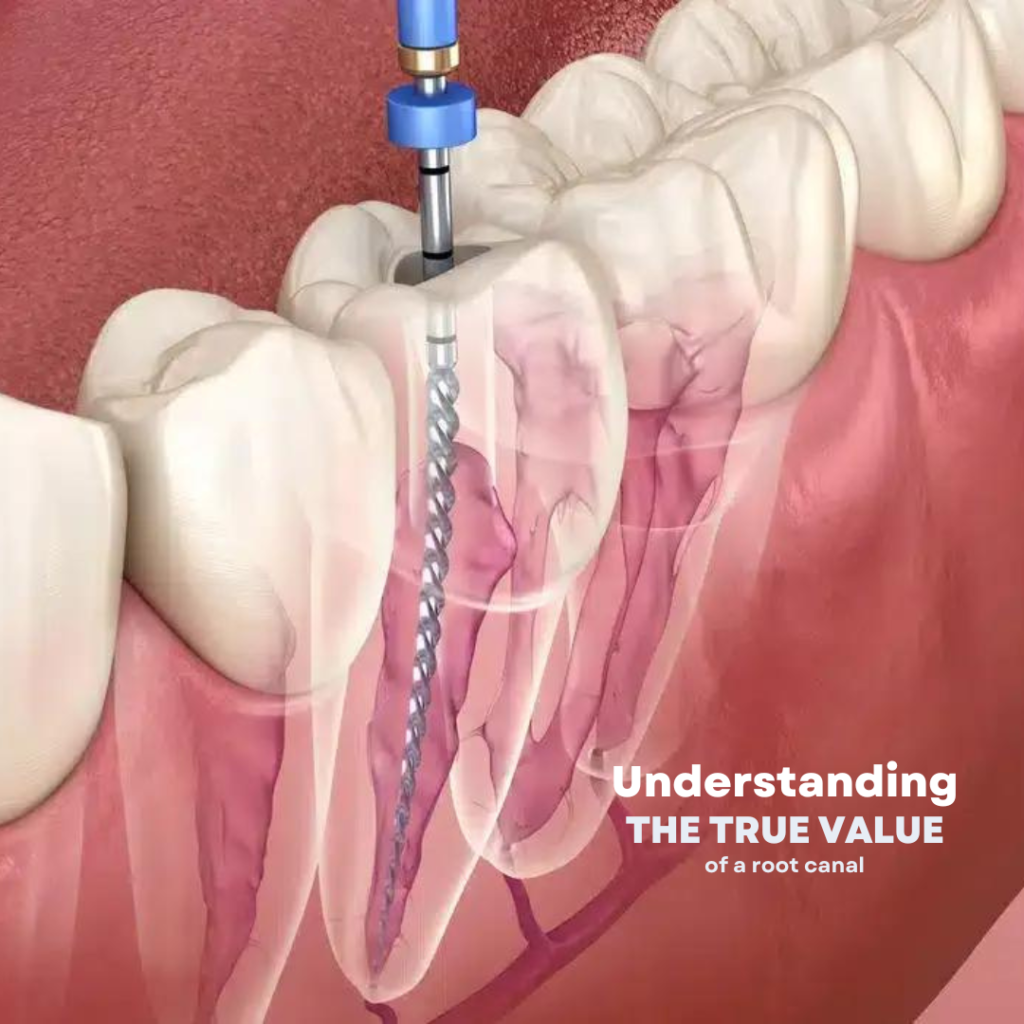
- It’s labor-intensive and complex. Using specialized tools and techniques, I have to meticulously and carefully clean out all of the infected pulp tissue from the inner tooth – an intricate process often requiring a dental operating microscope and multiple visits.
- It’s an investment in preserving your natural tooth. While root canals have higher upfront costs, they’re still cheaper in the long run than extracting and replacing the tooth with an implant or bridge—not to mention the advantages of keeping your real tooth.
- Fancy equipment and supplies add up. From dental operating microscopes to digital X-ray machines and specialized root canal filling materials, a lot goes into making the procedure safe, comfortable, and long-lasting – but equipment isn’t exactly cheap.
Understanding Materials Used in Root Canal Treatment
Key Materials Used in Root Canal Treatment
- Endodontic Files
- Purpose: These are used to clean and shape the root canals by removing infected pulp and debris.
- Types: Stainless steel and nickel-titanium files are commonly used, with nickel-titanium offering greater flexibility and efficiency.
- Irrigants
- Purpose: Irrigating solutions are used to disinfect the root canals and remove debris.
- Common Irrigants: Sodium hypochlorite, EDTA, and chlorhexidine.
- Sealants
- Purpose: Root canal sealers fill the space around the root canal filling material to ensure a complete seal, preventing bacteria from re-entering the canal.
- Types: Epoxy resin-based, calcium hydroxide-based, glass ionomer-based, and bioceramic-based sealers.
- Root Canal Filling Materials
- Purpose: These materials fill the cleaned and shaped root canals, providing a hermetic seal to prevent reinfection.
- Common Materials: Gutta-percha, resilon, and often MTA.
Why We Use BC Sealer and Dentsply Gutta-Percha
BC Sealer
- Biocompatibility: BC Sealer is highly biocompatible, which means it is well-tolerated by the body’s tissues. This reduces the risk of adverse reactions and promotes healing.
- Excellent Sealing Ability: BC Sealer has outstanding sealing properties, ensuring that the root canal is thoroughly sealed to prevent bacterial leakage.
- Hydrophilic Properties: The hydrophilic nature of BC Sealer allows it to bond well with the moist dentinal walls, creating a better seal and enhancing the overall success rate of the root canal treatment.
- Antimicrobial Properties: BC Sealer possesses intrinsic antimicrobial properties, which help in eliminating any remaining bacteria within the root canal system.
Dentsply Gutta-Percha
- Proven Track Record: Dentsply Gutta-Percha has been used for decades in endodontics, with a long history of successful clinical outcomes.
- Thermoplasticity: Gutta-percha is thermoplastic, meaning it can be softened by heat and then compacted to adapt perfectly to the shape of the root canal.
- Biocompatibility: Like BC Sealer, gutta-percha is biocompatible, reducing the risk of adverse tissue reactions and promoting healing.
- Versatility: Gutta-percha can be used with various techniques, including lateral condensation, warm vertical condensation, and carrier-based obturation systems, making it a versatile choice for different clinical scenarios.
- Journal of Endodontics: Study on biocompatibility of bioceramic sealers.
- Clinical evaluations and patient satisfaction reports.
- Studies on the effectiveness and reliability of gutta-percha.
- Research on the antimicrobial properties of bioceramic sealers.
For more information on root canal treatment, please CLICK HERE
Root Canal Value - What Impacts Quality and Long-Term Success
If you are comparing options, the real value of a root canal is in predictable infection control, proper sealing, and a restoration that protects the tooth long term. These are the practical factors that influence outcomes and explain why treatment plans can differ.
Start here - Root canal assessment and treatment
For symptoms, appointment planning, and what to expect at each step, see our main root canal page.
- Root canal treatment in East Brisbane - the primary service page for diagnosis, steps, and booking.
- Local anaesthetic and comfort options - for patients concerned about numbness and pain control.
Materials and infection control
Disinfection protocols and appropriate materials can influence healing and long-term stability. Infection should be assessed properly rather than self-managed.
- Antibiotics for dental infections - when they are considered and why assessment matters first.
- Root canal no pain - why infection can exist even without symptoms.
Restoration planning after root canal
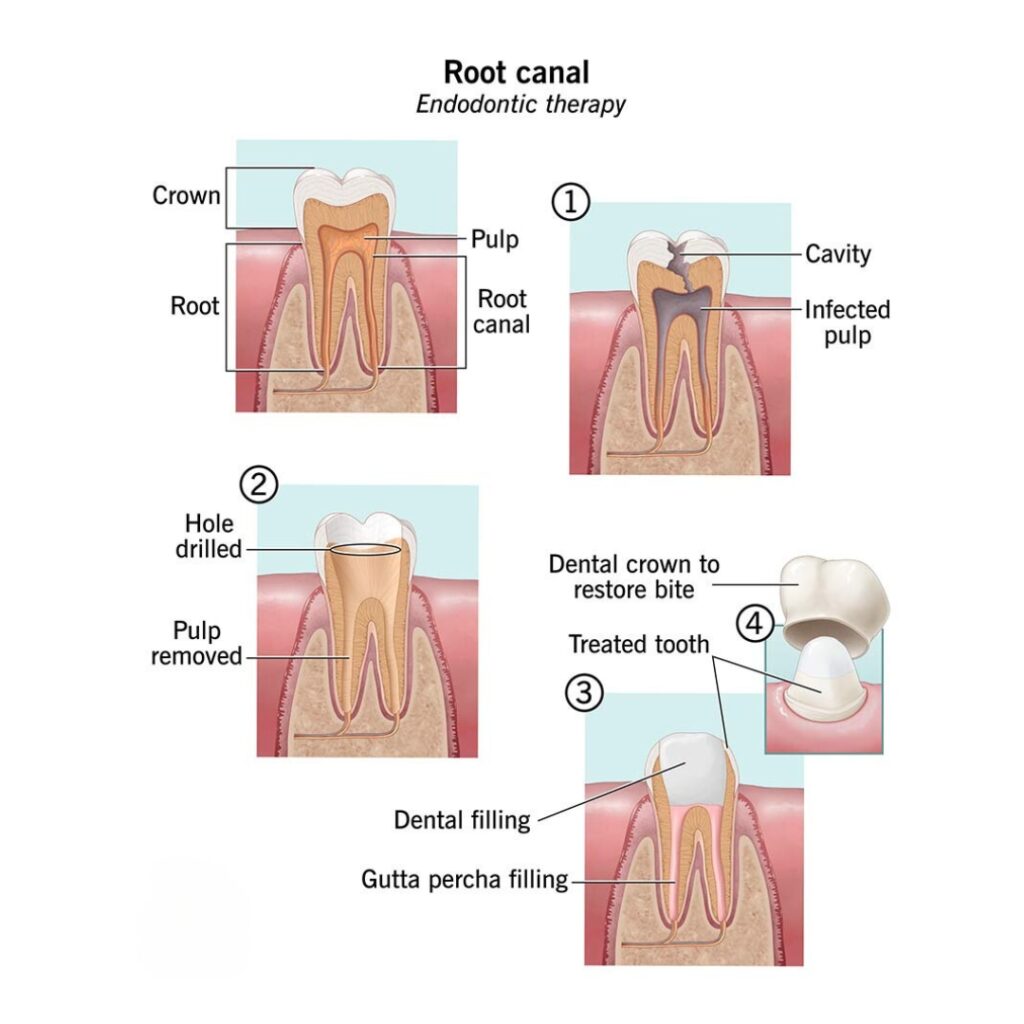
Root canal treatment should be followed by the right restoration to prevent fracture and reinfection. For many teeth, protection is the key value driver.
- Dental crowns - often recommended to protect the tooth after treatment.
- Dental fillings - used when the tooth structure allows a less extensive restoration.
If the tooth cannot be saved
Sometimes the best option is not a root canal. If extraction is needed, you should also plan the replacement early.
- Tooth removal - when a tooth cannot be predictably restored.
- Dental implants - long-term tooth replacement after tooth loss.
Not sure if you need a root canal?
If you have sensitivity, swelling, a cracked tooth, or pain when chewing, early assessment prevents escalation. If severe pain develops, see our emergency dental page for next steps.