10 wisdom teeth facts, explained
Why do we have wisdom teeth? Does everyone get them? And does an impacted tooth always need removal? Here are clear answers to the questions people ask before deciding what to do.
Explore the facts ↓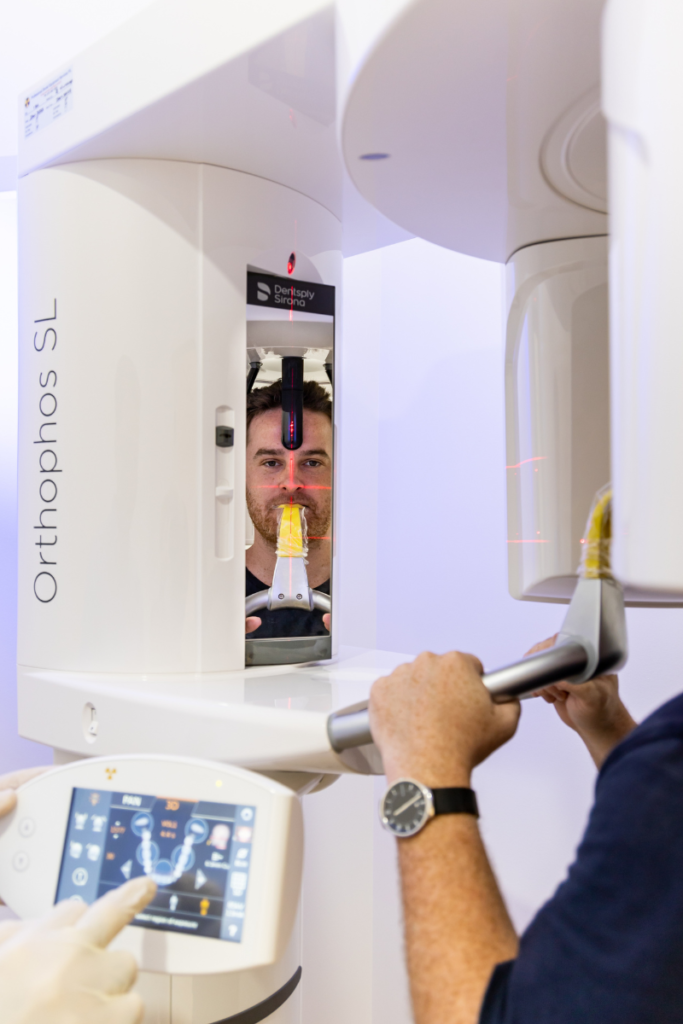
The short answer: Wisdom teeth are third molars. They can emerge normally, remain under the gum or never form. Their position and health, rather than their name or your age, determine whether monitoring or treatment makes sense.
What are wisdom teeth, and why do we have them?
These back molars have a long history, but their presence does not mean something is wrong.
They are your third molars
Wisdom teeth are the last molars at the back of the mouth. Like other molars, an erupted, healthy wisdom tooth can help with chewing. They are often described as vestigial because their role has changed across human history, but “vestigial” does not mean every wisdom tooth is useless.
Our ancestors had different diets and jaws
Third molars may have been more useful when teeth wore down more and diets demanded more chewing. Jaw size and tooth development vary between people. The simple story that modern diets alone made everyone’s jaws too small is an oversimplification.
They often arrive later
Wisdom teeth usually develop and erupt in the late teens or early adulthood, although timing varies. “Wisdom” refers to this later arrival, not to a special effect on your health or intelligence.
Some people never develop them
You may have four, fewer than four or none. A wisdom tooth can also remain below the gum, so you cannot always tell from looking in the mirror whether one is present.
What happens when a wisdom tooth comes through?
A tooth’s position matters because it affects cleaning, nearby teeth and the surrounding gum.
It may emerge fully or partly
A fully erupted tooth may be easy to clean. A partly erupted tooth can leave gum tissue around it that traps food. Swelling that persists or returns deserves an assessment.
“Impacted” describes its position
An impacted wisdom tooth is blocked from coming through normally. It may be angled towards the tooth in front, stay beneath the gum or cause no immediate symptoms. An examination and, when appropriate, an X-ray help assess the position.
Removal is not automatic
A healthy, symptom-free wisdom tooth may be monitored. Removal can be considered when there is repeated infection, decay, damage to the neighbouring tooth or another clinical concern. The choice depends on your examination and, when needed, imaging. If removal is recommended, our wisdom tooth removal cost guide explains what can affect the fee.
It does not necessarily undo braces
Front-tooth crowding alone is not a sound reason to assume wisdom teeth need removal. If your teeth have moved after orthodontic treatment, ask your dentist or orthodontist to assess the cause and your retainer plan.
When should you have a wisdom tooth checked?
Notice repeated gum changes
Pain, food trapping, recurring swelling or a persistent bad taste deserves an assessment. A bad smell from one wisdom-tooth area can have several causes, including trapped debris and local inflammation.
Choose care according to the problem
Some teeth need only monitoring and cleaning advice; others need treatment or removal. If swelling is rapidly increasing, you have fever, or opening your mouth or swallowing becomes difficult, seek urgent dental or medical advice. For worsening dental symptoms, see our emergency dental care options.
From a general question to the right care
Quiet or impacted?
Learn when observation is reasonable and what removal involves.
Wisdom tooth assessment and removal options →Bad taste or smell?
Explore that specific symptom without assuming it always means extraction.
Read the smell guide →Further reading: healthdirect Australia on wisdom tooth removal. General information cannot diagnose your individual tooth.