Daily Oral Hygiene Guide for EasyCare Patients
Good oral care is not about choosing one perfect product. It is about using the right technique, choosing products that suit your teeth and gums, and having regular dental checks so small problems can be found earlier.
What this guide is for
This page is a general guide for patients who want to understand toothbrushes, toothpaste, flossing aids and children’s oral care products in a simple way.
It is not a product ranking page and it is not a substitute for a dental examination. The most suitable products depend on your enamel, gum health, sensitivity, fillings, crowns, orthodontic appliances, age and decay risk.
The main things that matter at home
Most patients do not need a complicated routine. A good daily routine usually focuses on brushing well, cleaning between the teeth, using appropriate toothpaste and getting professional checks at the right interval.
Brushing technique
Brush gently along the gumline and avoid scrubbing too hard. Too much pressure can irritate gums and may contribute to tooth wear over time.
Cleaning between teeth
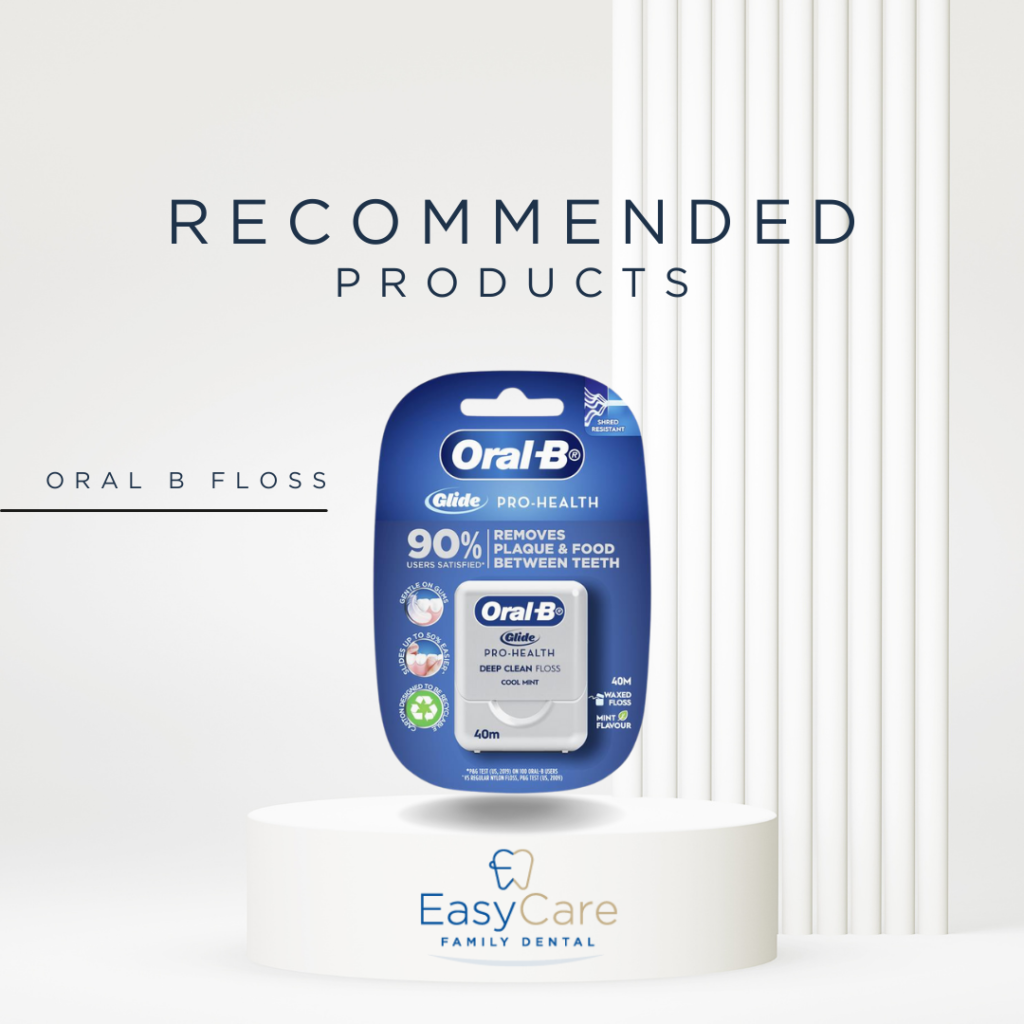
Food and plaque can sit between teeth where a toothbrush cannot clean properly. Floss or interdental brushes may help depending on your tooth spacing.
Regular dental checks
A home routine cannot remove hardened plaque. A professional check and clean helps assess gum health, decay risk and areas that are being missed.
Choosing a toothbrush
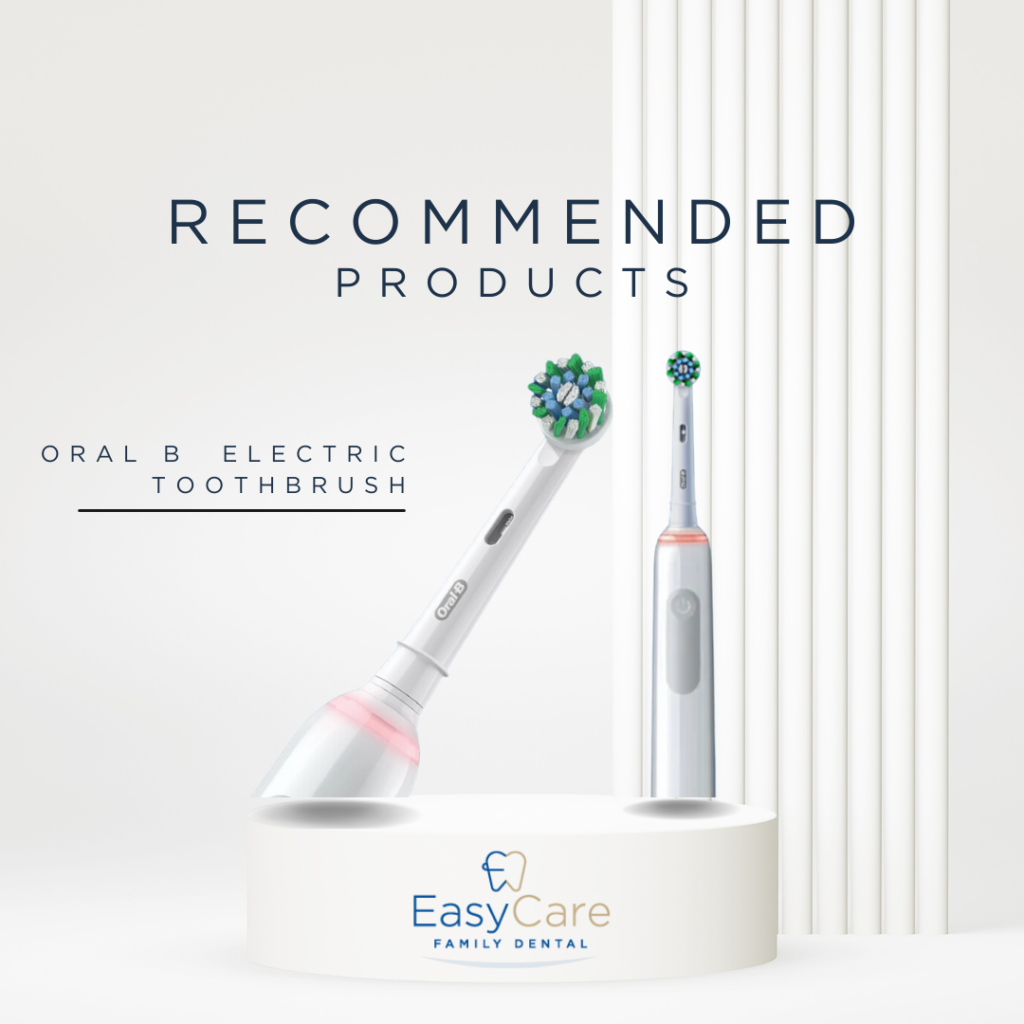
A soft-bristled toothbrush is usually a good starting point. Some patients prefer an electric toothbrush because it can make brushing more consistent, especially when it has a timer or pressure reminder.
A manual toothbrush can also work well when used correctly. The key is gentle pressure, good angulation near the gumline and enough time spent around all surfaces.
- Use soft bristles unless your dentist recommends otherwise.
- Brush for about two minutes, twice daily.
- Replace toothbrushes or brush heads regularly.
- Avoid aggressive scrubbing, especially near the gumline.
Choosing toothpaste
Most adults benefit from a fluoride toothpaste unless they have been advised otherwise. Fluoride can help strengthen enamel and support protection against tooth decay.
Some toothpastes are designed for sensitivity, whitening, gum health or children. The best choice depends on your current dental condition and your risk factors.
- If teeth feel sensitive, ask whether a sensitivity toothpaste is suitable.
- If whitening toothpaste causes discomfort, stop and seek advice.
- For children, use age-appropriate toothpaste and supervise brushing.
- If decay keeps returning, toothpaste alone may not be enough.
Cleaning between teeth
Brushing alone may leave plaque between teeth. Floss, interdental brushes or other cleaning aids can help, but the right option depends on the size of the spaces between your teeth and your gum condition.
If your gums bleed when cleaning between teeth, it may be due to inflammation, technique, or areas that need professional assessment. Persistent bleeding should not be ignored.
- Floss may suit tighter contacts between teeth.
- Interdental brushes may suit larger spaces or gum recession areas.
- Bleeding that continues should be assessed professionally.
- Ask your dentist to show you the correct size and technique.
Oral care products for children
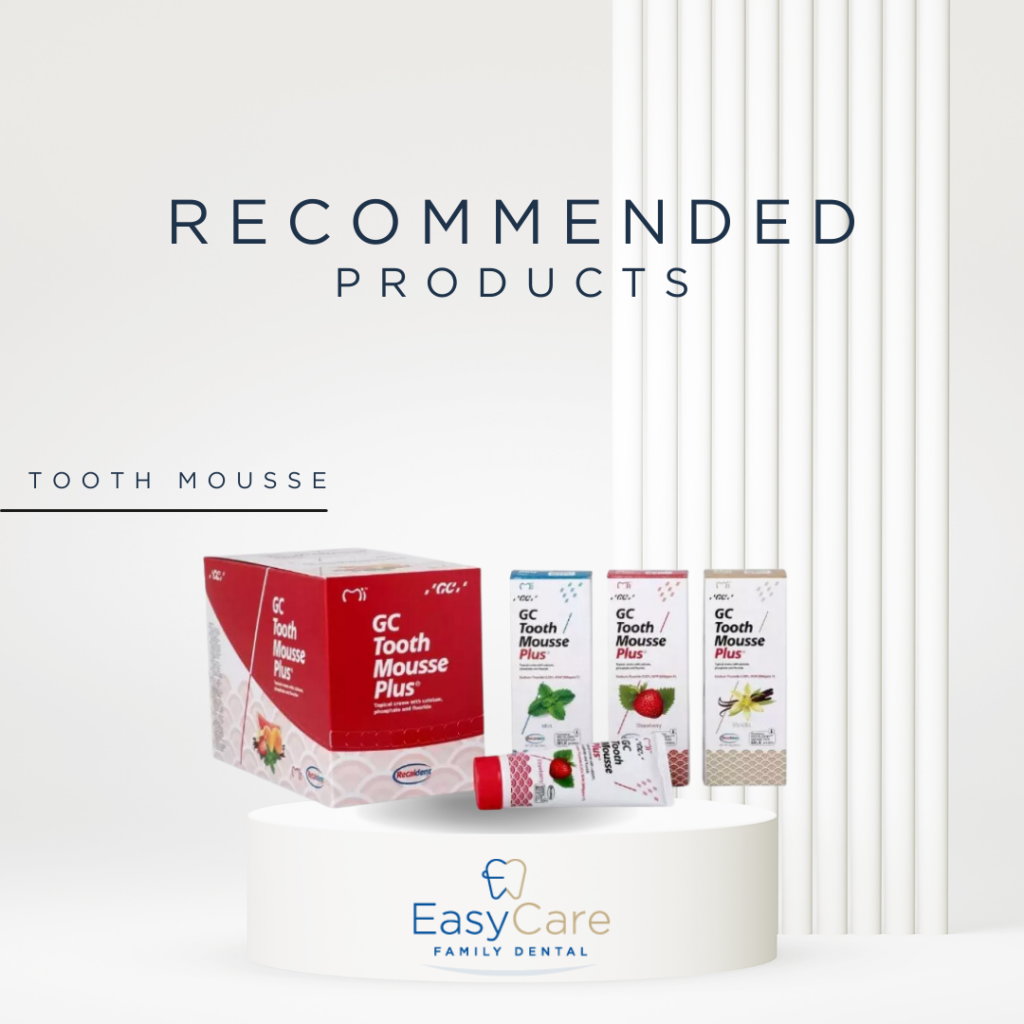
Children’s oral care should be simple, safe and age appropriate. The amount of toothpaste, fluoride level and level of supervision may vary depending on age and decay risk.
Some children may need extra support if they have early enamel weakness, frequent snacking, dry mouth, orthodontic appliances or a history of decay.
- Supervise brushing until children have reliable technique.
- Use only the recommended amount of toothpaste for the child’s age.
- Encourage brushing before bed and avoid rinsing heavily after brushing.
- Ask for personalised advice if your child has white marks or repeated cavities.
When product choice is not enough
Even good oral care products cannot fix every dental problem. If symptoms continue, the cause may need professional assessment.
Bleeding gums
Bleeding gums may be linked to plaque build-up, gum inflammation or technique. Learn more about gum disease treatment.
Recurring tooth decay
If cavities keep developing, your dentist may assess diet, cleaning habits, saliva, fluoride exposure and tooth structure. Read about tooth decay and dental caries.
Sensitive teeth
Sensitivity can come from enamel wear, gum recession, whitening products, cracks or decay. You may find our guide on teeth sensitivity after whitening helpful.
A simple routine is usually better than a complicated one
Many patients improve their oral health by doing the basics consistently: gentle brushing, cleaning between teeth, using suitable toothpaste, reducing frequent sugar exposure and attending regular dental visits.
Helpful related pages
These pages can help if you want more detailed information about dental checks, cleaning, children’s dental care or general dental treatment.
EasyCare Family Dental is located at Suite 103 / 33 Lytton Rd, East Brisbane QLD 4169. We are directly above Seasons IGA East Brisbane, with free undercover parking available under Seasons IGA.
Frequently asked questions
These FAQ answers are visible on the page for crawlability and patient readability. They are not hidden inside accordions.
Is an electric toothbrush always better than a manual toothbrush?
Not always. An electric toothbrush may help some patients brush more consistently, especially if it has a timer or pressure reminder. A manual toothbrush can also be effective when used gently and correctly.
What toothpaste should I use?
Many adults benefit from fluoride toothpaste, but the best option depends on your teeth, gums, sensitivity, decay risk and dental history. Your dentist can recommend a suitable option during your check-up.
Why do my gums bleed when I floss?
Bleeding can occur when gums are inflamed, when plaque is present, or when the technique needs adjustment. If bleeding continues, it is best to have your gums assessed professionally.
Do children need different oral care products?
Yes. Children usually need age-appropriate toothpaste, supervised brushing and guidance on how much toothpaste to use. Some children may need extra preventive advice depending on decay risk.
Can oral care products replace a dental check-up?
No. Products can support your daily routine, but they cannot diagnose decay, gum disease, cracks, bite issues or remove hardened plaque. Regular dental checks remain important.
Need personal advice for your teeth or gums?
Ask us during your next dental visit. We can help you understand which home care routine suits your mouth, symptoms and long-term oral health goals.