Root Canal Treatment Brisbane
Tooth pain can worsen when the cause is not assessed. If you have swelling, abscess, lingering sensitivity or pain when biting, book a root canal assessment to find out if the tooth can be saved.
What is root canal treatment?
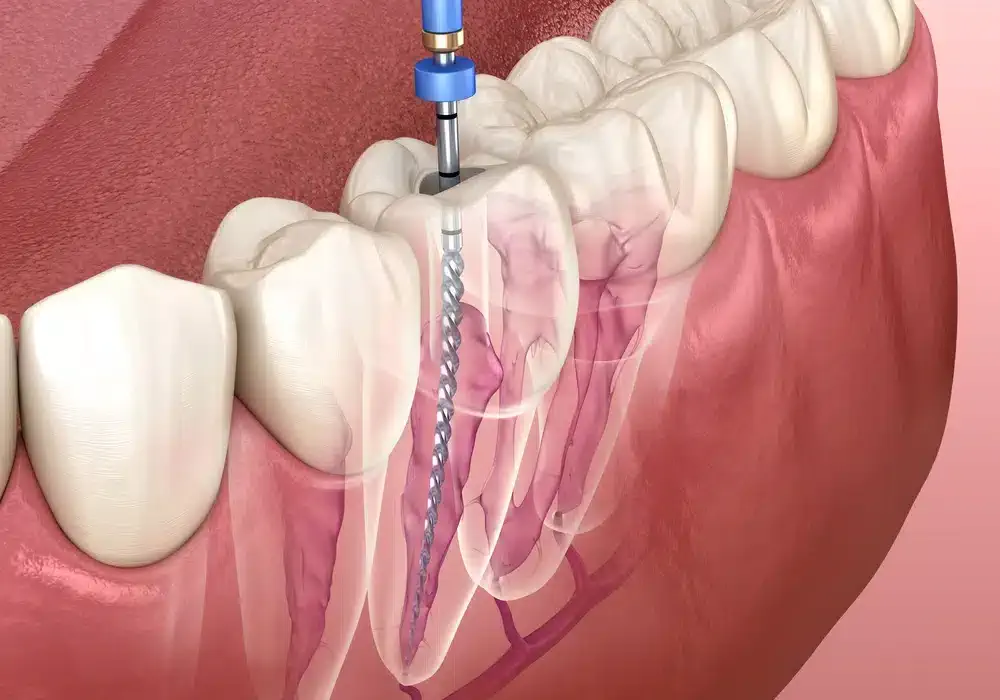
Root canal treatment removes inflamed, infected or non-vital tissue from inside the tooth, cleans the infection, and seals the tooth so it can be restored. The goal is to help keep a suitable natural tooth instead of removing it.
Signs the tooth nerve may be inflamed or infected
This section focuses on symptoms that may suggest the nerve inside the tooth is involved and root canal treatment may need to be considered. For broader toothache patterns, visit our toothache guide.
Deep or throbbing tooth pain
Persistent pain, worsening pain or pain that wakes you at night may suggest inflammation or infection inside the tooth.
Hot or cold sensitivity that lingers
Sensitivity that does not settle quickly can be a sign that the nerve is irritated or inflamed.
Pain when chewing or biting
Pain on biting may indicate inflammation around the root, a cracked tooth or infection near the tooth tip.
Swollen or tender gum near the tooth
A gum pimple, local swelling or tenderness can be linked to a dental abscess or infection. See our dental infection page for related warning signs.
Dark tooth or history of trauma
A tooth that becomes darker than nearby teeth may have lost nerve vitality, even when pain is minimal or absent.
Facial swelling or worsening infection symptoms
Spreading swelling, fever, difficulty swallowing or feeling unwell needs urgent assessment. For urgent care guidance, visit our emergency dental page.
Do not ignore night pain: If toothache is waking you at night or you need pain relief regularly, the tooth may need urgent assessment.
When severe tooth pain may involve the tooth nerve
Severe toothache, swelling or a gum abscess may sometimes come from infection inside the tooth nerve. At your assessment, we check whether the tooth is restorable and whether root canal treatment, extraction, drainage, antibiotics or referral may be more appropriate.
- Call early for the earliest suitable appointment
- Use pain relief only as directed on the packet
- Rinse gently with warm salty water
- Keep your head elevated if pain is throbbing
- Avoid chewing hard food on that side
- Decay, crack, infection or nerve inflammation
- Digital X-rays if clinically needed
- Whether the tooth is restorable
- Whether infection is localised or spreading
- Clear fees before treatment proceeds

The aim is to treat the source of infection inside the tooth
Root canal treatment is not just about reducing pain. It is about cleaning the infected or inflamed canal space, sealing the tooth, and then restoring it so the tooth can continue functioning where suitable.
This is why diagnosis, X-rays, careful canal cleaning and a strong final restoration are all important parts of the treatment plan.
Can a tooth need root canal treatment without pain?
Yes. A tooth can sometimes lose nerve vitality or develop infection without causing strong pain. This may happen when the nerve tissue inside the tooth has died and no longer sends normal pain signals.
Some patients only discover this during an X-ray or routine dental examination. Others may notice a dark tooth, a gum pimple, a bad taste, mild biting tenderness or a toothache that suddenly settled.
Read the full patient guide
We have kept the deeper necrotic tooth explanation on a separate support article to avoid overlap with this main service page.
What happens during root canal treatment?
Root canal treatment is planned around diagnosis, comfort, infection control and final tooth protection. The exact sequence may vary depending on the tooth, symptoms and complexity.
- 1
Assessment and X-rays
We examine the tooth, discuss symptoms, check the surrounding gum and bone, and take appropriate X-rays to understand the extent of infection or inflammation.
- 2
Local anaesthetic and comfort checks
Local anaesthetic is used to help keep the area comfortable. We check in throughout the appointment and work at a pace that supports anxious patients.
- 3
Accessing and cleaning the canals
A small opening is made in the tooth so the canal system can be reached. Inflamed, infected or non-vital tissue is removed from inside the tooth.
- 4
Disinfection and shaping
Fine instruments and disinfecting solutions are used to clean, shape and reduce bacteria inside the canal system.
- 5
Medication, temporary filling or final seal
Some teeth need medication inside the canals and a temporary filling before the final stage. Other cases may be completed differently depending on the diagnosis.
- 6
Final restoration and protection
After the canals are sealed, the tooth usually needs a strong final restoration. In many back teeth, a dental crown may be recommended to help protect the remaining tooth structure.
Root canal treatment vs tooth extraction
When a tooth is severely inflamed or infected, the decision is often simple: can the tooth be saved, or does it need to be removed? We assess the tooth carefully and explain the options before treatment proceeds.
Root canal treatment - saving a suitable tooth
Root canal treatment may be appropriate when the tooth has enough remaining structure, the root and surrounding bone are suitable, and a reliable restoration can be placed.
- Helps keep your natural tooth in place where suitable.
- Can preserve chewing function and avoid a gap.
- May reduce the need for replacement options such as a bridge, denture or implant.
- Often needs a strong final filling or crown after treatment.
Tooth extraction - when saving is not suitable
Extraction may be more appropriate if the tooth is severely cracked, unrestorable, has poor support, or the long-term outlook is not favourable.
- Removes the tooth and the source of infection.
- May leave a gap that affects function or appearance.
- Replacement options may include a dental implant or dental bridge.
- We explain both pathways clearly so you can make an informed choice.
Root canal cost in Brisbane
How much does root canal treatment cost?
As a rough guide, root canal treatment may cost between $1,500 and $2,600, depending on the severity of the case, the tooth involved and the number of canals that need treatment.
The tooth may also need a crown after root canal treatment. A dental crown may cost roughly an additional $2,000, depending on the final restoration required.
These figures are a rough guide only. A personalised estimate is provided after examination and X-rays.
Root canal fees vary because front teeth, premolars and molars are not the same. Molars often have more canals and can take more time. Infection severity, canal anatomy, X-rays, number of visits and final restoration planning can all affect the total cost.
We provide a clearer estimate after examining the tooth and taking appropriate X-rays. This helps you understand the likely cost before treatment proceeds.
Is root canal treatment painful?
Root canal treatment is usually performed with local anaesthetic, and many patients find it more manageable than expected. In many cases, the infection or inflammation is the reason the tooth is painful before treatment begins.
After treatment, some tenderness is possible while the surrounding tissues settle. This varies from person to person and depends on the infection, bite pressure and tooth condition.
If dental treatment makes you anxious, you may also like to read how we support nervous patients and how our practice environment was designed to feel calmer: conquering dental anxiety.
How we support comfort
We take time to explain the process, use local anaesthetic, check in during treatment and give clear aftercare instructions. For anxious patients, our approach is calm, patient-first and paced around comfort.

Do I need a root canal dentist or endodontist?
Many patients searching for a root canal specialist in Brisbane want to know whether a general dentist can help or whether they need an endodontist. Many root canal cases can be assessed and treated by a general dentist, while more complex cases may benefit from specialist referral.
Often suitable for assessment and treatment.
May not be required unless complexity is identified.
Can be assessed first, with referral discussed if needed.
May be recommended for difficult canal systems.
May require diagnosis and discussion of options.
Often considered for retreatment or complex management.
We assess the tooth and explain available options.
Referral may be appropriate depending on findings.
Our approach: We assess each tooth carefully and explain whether treatment at EasyCare Family Dental, monitoring, extraction or specialist referral is more appropriate.
What happens after root canal treatment?
Short-term tenderness
Mild tenderness or pressure can occur after treatment, especially if the tooth was infected or tender before the visit.
Temporary or final restoration
Some teeth are sealed temporarily first, while others progress to a final restoration depending on the treatment stage.
Long-term protection
Back teeth often need a strong final restoration or crown to help reduce fracture risk and support function.
If a crown is recommended after root canal treatment, you can read more about dental crowns at EasyCare Family Dental.
Root canal treatment for East Brisbane and nearby inner Brisbane suburbs
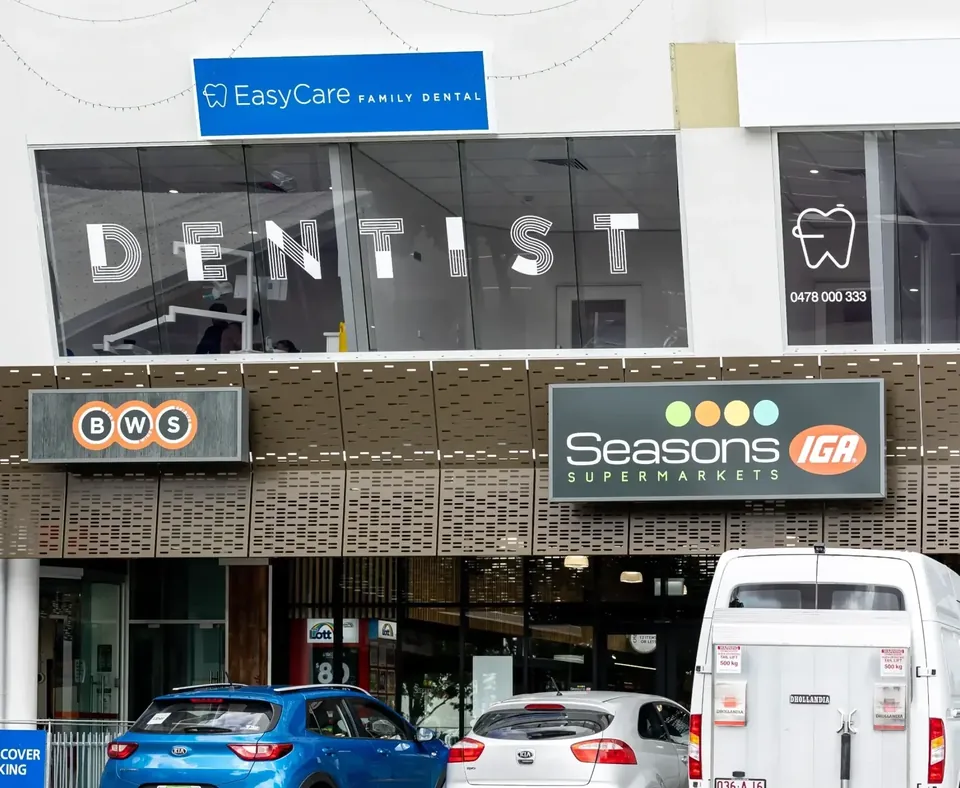
EasyCare Family Dental provides root canal assessment and treatment in East Brisbane for patients from nearby inner Brisbane suburbs including Kangaroo Point, Woolloongabba and Norman Park. We are located above Seasons IGA East Brisbane, close to Mowbray Park and Mowbray Park Ferry Terminal.
East Brisbane
Convenient care for tooth pain, dental infection and root canal assessment near Lytton Rd.
Kangaroo Point
Easy access for patients searching for root canal treatment near Kangaroo Point.
Woolloongabba and Norman Park
Nearby option for inner Brisbane patients needing tooth pain assessment and treatment planning.
Why choose EasyCare Family Dental for root canal treatment?
When you are dealing with tooth pain or infection, you need careful assessment, clear explanations and a calm clinical experience. Our team focuses on comfort, transparency and preserving natural teeth where suitable.
Calm, patient-first care
We take time to listen, explain each step and support patients who feel anxious about treatment.
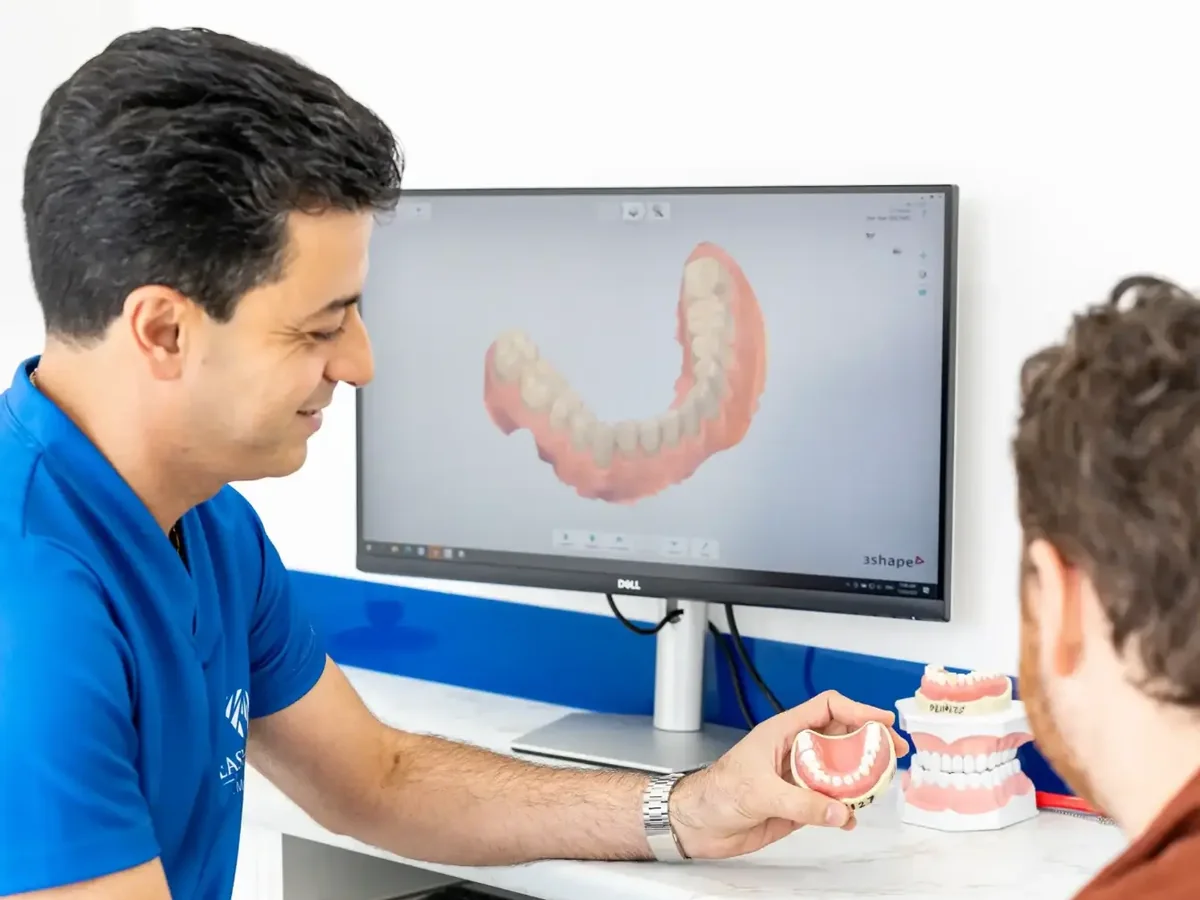
Digital assessment
Digital imaging helps us assess the nerve, roots and surrounding bone before planning treatment.
Convenient East Brisbane location
We are directly above Seasons IGA East Brisbane, with free undercover parking under Seasons IGA.
Same-day options where possible
For severe toothache or swelling, call early and we will do our best to help with timely assessment.
Clear treatment options
We explain whether root canal treatment, extraction, monitoring or specialist referral may be suitable.
Follow-up and final restoration planning
We guide you through the full pathway, including aftercare and whether a final crown may be appropriate.
Location: EasyCare Family Dental is at Suite 103 / 33 Lytton Rd, East Brisbane QLD 4169. We are above Seasons IGA East Brisbane, close to Mowbray Park, Mowbray Park Ferry Terminal and Hey Joe Coffee. Free undercover parking is available under Seasons IGA.
Meet your root canal dentists
Root canal treatment at EasyCare Family Dental is provided by dentists who regularly assess tooth pain, dental infection and nerve inflammation. Our focus is clear diagnosis, calm care and patient understanding.
Dr Majid Serpoosh
Dr Majid focuses on careful diagnosis, management of dental pain and clear communication around treatment options for infected or inflamed teeth.
Meet Dr MajidDr Sheyda Almasloo
Dr Sheyda is known for her gentle, reassuring approach and supports patients who feel nervous about dental treatment.
Meet Dr SheydaRead our Google reviews
Patient feedback can help you understand the experience other people have had with our team, our communication style and our calm East Brisbane clinic environment.
View EasyCare Google ReviewsHelpful related pages
These pages support different stages of the patient journey without competing with this main root canal treatment page.
Root canal treatment FAQs
These answers are visible in crawlable HTML and are not hidden inside accordions.
What is root canal treatment?
Root canal treatment is a dental procedure used to clean, disinfect and seal the canal space inside a tooth when the nerve tissue is inflamed, infected or no longer vital. It may help save a suitable tooth instead of removing it.
How do I know if I need root canal treatment?
You may need assessment if you have lingering toothache, pain when biting, swelling, a gum pimple, deep decay, a dark tooth, or hot and cold sensitivity that does not settle quickly.
Can I need root canal treatment without pain?
Yes. A tooth can lose nerve vitality or develop infection without strong pain. If this is your main concern, read our dead tooth with no pain guide.
Is root canal treatment painful?
Root canal treatment is usually performed with local anaesthetic, and many patients find it more manageable than expected. If dental treatment makes you anxious, read our guide on conquering dental anxiety.
How much does root canal treatment cost in Brisbane?
As a rough guide, root canal treatment may cost between $1,500 and $2,600, depending on the severity of the case, the tooth involved and the number of canals. A crown may also be needed afterwards and may cost roughly an additional $2,000.
Is root canal treatment better than extraction?
Where a tooth is suitable to save, root canal treatment may help preserve the natural tooth. Extraction may be more appropriate if the tooth is cracked, unrestorable or has a poor long-term outlook.
Will I need a crown after root canal treatment?
Many back teeth benefit from a crown after root canal treatment because they handle strong chewing forces. The need for a crown depends on how much tooth structure remains and the risk of fracture.
Do I need a root canal specialist or endodontist?
Many root canal cases can be assessed and treated by a general dentist. Complex anatomy, calcified canals, failed previous treatment or difficult back teeth may need referral to an endodontist.
When should I see a dentist urgently?
Seek urgent dental assessment if you have severe toothache, facial swelling, a gum abscess, fever, spreading infection symptoms, difficulty swallowing or a tooth injury. If breathing or swallowing is affected, call emergency services.
Book a Root Canal Assessment in East Brisbane
If you have tooth pain, swelling, deep decay or signs of infection, book an assessment now. We can check the tooth, explain your options and discuss whether root canal treatment, extraction, referral or another option may be suitable.
After Root Canal Treatment
Once your infection has been treated and your tooth stabilised, ongoing preventive care helps protect your long-term oral health. As a trusted East Brisbane family dental clinic, EasyCare Family Dental provides personalised follow-up care, restorative planning, and comprehensive dentistry in a calm, modern environment.