
Do Veneers Ruin Your Teeth? The Honest Answer Before You Commit
Veneers can transform a smile, but many people worry about shaving healthy teeth, hidden decay, bulky results or regretting treatment later. This guide explains the honest risks, the safer signs, and what to ask before starting a smile makeover.
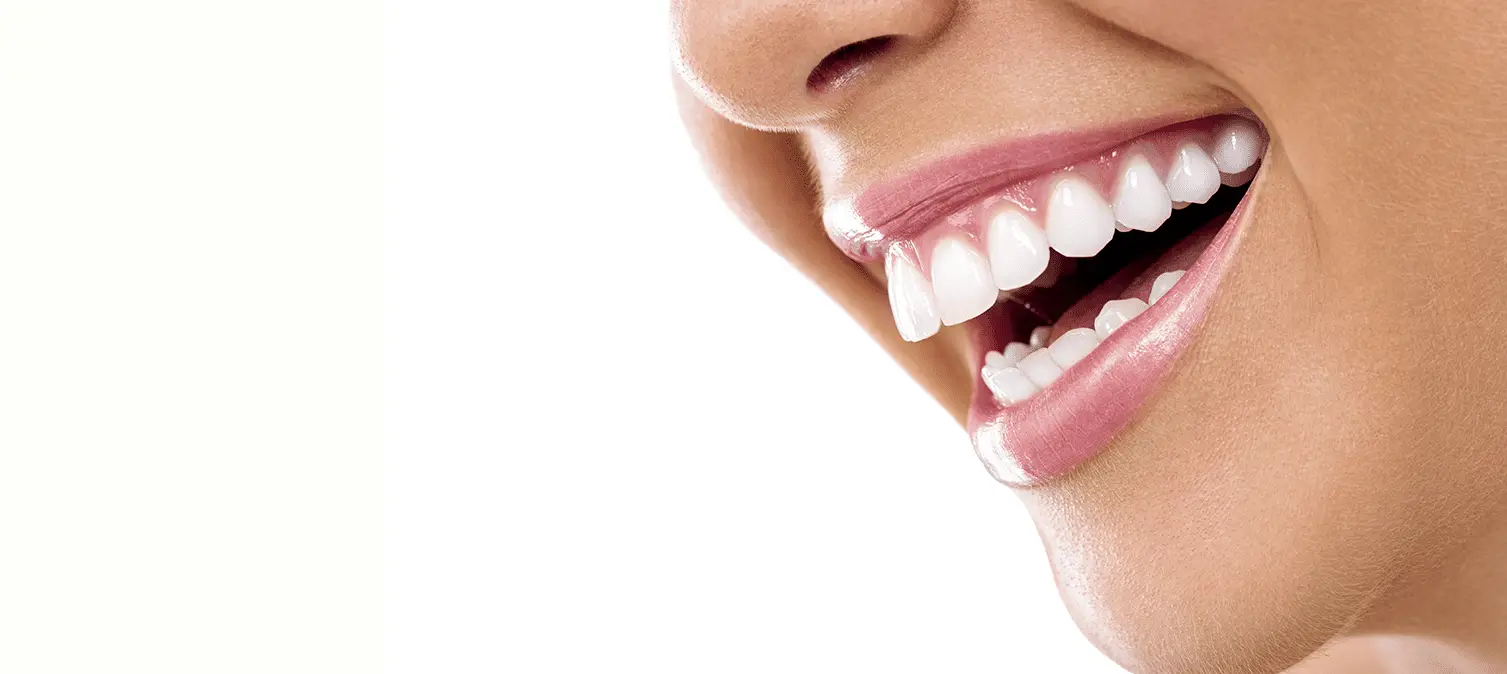
Our view
A veneer conversation should start with the health of the tooth - enamel, gums, bite, decay risk and long-term maintenance - not just the shade or shape of the final smile.
The important point: Veneers are usually an irreversible treatment, and the tooth still needs good brushing, flossing, regular dental checks and healthy gums to stay protected long term.
On this page
Learn what may affect your natural teeth before deciding whether veneers are right for you.
What people really worry about before veneers
Most people are not only asking whether veneers look good. They are asking whether the treatment is safe for the natural teeth underneath.
Will my teeth be shaved down?
Modern veneer planning is usually much more conservative than the dramatic social-media images people fear. The amount of preparation depends on tooth position, colour, enamel, bite and the final design.
Can teeth rot under veneers?
The porcelain itself does not decay, but the natural tooth around the veneer margin can still develop decay if plaque, diet risk or maintenance is poor.
Will they look fake or bulky?
Bulky veneers can happen when there is not enough space, poor planning, poor margin design or the case is not suitable for the chosen veneer style.
The honest truth about enamel removal
Most porcelain veneers need some enamel preparation. The goal is not to weaken the tooth. The goal is to create enough space for a natural-looking veneer that bonds predictably and cleans well at the gumline.
Why enamel may be gently shaped
- Aesthetics: to prevent thick or bulky-looking teeth.
- Fit: to allow the porcelain to sit smoothly on the tooth.
- Bonding: to create a clean enamel surface for attachment.
- Gum health: to avoid over-contoured edges that trap plaque.
How much enamel is removed?
It varies. In many conservative cases, only a very thin layer of enamel is prepared. Some cases need more preparation, especially when teeth are crowded, rotated, very dark, heavily restored, already worn or positioned forward.
This is why planning matters. Veneers should be designed around your natural teeth, not forced onto every smile the same way.
When veneers are safer - and when they may be risky
Suitability depends on the health of your teeth and gums, your bite and how much enamel would need to be removed.
Veneers are usually safer when
- The teeth and gums are healthy
- There is enough enamel for bonding
- There is no active decay
- Gum inflammation is controlled first
- The bite is stable
- Grinding or clenching is managed
- The smile goals are realistic
- Maintenance is understood before treatment
Veneers may be risky when
- There is untreated gum disease
- There is active decay
- There is heavy grinding or clenching
- There is very little enamel
- The teeth are very dark and need heavy masking
- The bite is unstable
- Oral hygiene is poor
- The main goal is a trend rather than a suitable smile design
Can teeth rot under veneers? What about bad breath?
This is one of the most important long-term questions. Veneers cover the visible surface, but your natural teeth and gums still need daily care.
Decay can still happen at the edges
The porcelain does not decay, but plaque can collect around margins if cleaning is poor or the fit is not ideal. Decay can occur around the edges of a veneer or on exposed natural tooth structure.
Bad smell is not normal
A bad smell around veneers may suggest plaque traps, gum inflammation, poor cleaning access, leaking margins, decay, food trapping or another oral-health issue that needs assessment.
Gum health matters
If veneers are too bulky or the margins irritate the gums, plaque can collect more easily. Healthy gum tissue is part of a good cosmetic result.
Porcelain vs composite vs no-prep veneers
Patients often hear these terms online. Each option can be useful, but each has limitations.
| Option | What it means | Possible benefit | Possible limitation |
|---|---|---|---|
| Porcelain veneers | Thin ceramic coverings bonded to the front of teeth. | Often strong, stain-resistant and highly aesthetic when well planned. | Usually irreversible and may need enamel preparation. |
| Composite veneers or bonding | Tooth-coloured resin shaped directly on the tooth. | Can be more conservative and easier to repair in selected cases. | May stain, chip or lose polish sooner than porcelain. |
| No-prep veneers | Veneers placed with little or no enamel removal in suitable cases. | May preserve more enamel when the tooth position and smile design allow it. | Can look bulky or unsuitable if there is not enough space, colour mismatch or bite risk. |
| Crowns | Full-coverage restorations around the tooth. | May suit teeth that are heavily filled, broken down or structurally weak. | Usually more tooth preparation than veneers. |
Why cheap or social-media veneers can cost more later
Low-cost veneer offers can look attractive, especially online. The risk is that cosmetic dentistry is not only about sticking a white cover over a tooth.
Diagnosis can be missed
If decay, gum disease, bite issues or grinding are not assessed first, veneers may fail earlier or create bigger problems.
Over-preparation can harm teeth
Removing too much tooth structure can make teeth sensitive, weak or more difficult to restore in future.
Poor fit can irritate gums
Bulky or poorly fitting veneers can trap plaque, inflame gums and create bad taste, bad smell or margin problems.
Questions to ask before saying yes to veneers
These questions help protect your natural teeth and make the decision clearer.
Ask about tooth preservation
- How much enamel will be removed?
- Can the case be done more conservatively?
- Are whitening, bonding or Invisalign options first?
- Will the veneer margins be easy to clean?
- Do I have enough enamel for predictable bonding?
- What happens if I decide against veneers?
Ask about long-term maintenance
- How long may the veneers last?
- What happens if one chips or debonds?
- Will I need a night guard?
- How often should veneers be checked?
- Can teeth still decay around the edges?
- What foods or habits should I be careful with?
Helpful references
These resources provide additional background on veneers, tooth safety, oral hygiene and informed dental decision-making.
Veneer suitability: Healthdirect explains that veneers may not be suitable for some people who grind or clench their teeth or have gum disease. Read: Healthdirect: Veneers.
Decay under veneers: Cleveland Clinic explains that veneers do not actively damage teeth, but the natural tooth structure underneath can still decay, so brushing, flossing and dental checks remain important. Read: Cleveland Clinic: Dental veneers.
Dental procedure questions: Healthdirect advises patients to ask about benefits, risks and costs before dental procedures. Read: Healthdirect: Guide to dental procedures.
Social-media veneer safety: Reports have warned about unlicensed providers offering low-cost veneers and the importance of seeing a properly trained dental professional. Read: AP News: Veneer safety warning.
These links are for general education only and do not replace personalised dental advice.
Related EasyCare guides and services
These pages may help if you are comparing cosmetic, restorative, gum or bite-related options before veneers.
Common questions
Simple answers to common questions about veneers and natural tooth safety.
Do veneers ruin your natural teeth?
Veneers do not automatically harm teeth, but many require removal of some enamel and carry risks. Suitability depends on the tooth, gums, bite, preparation and maintenance. Ask about less invasive options before deciding.
Do teeth have to be shaved down for veneers?
Most porcelain veneers need some enamel preparation, but this is usually much more conservative than the “shaved down to pegs” fear many patients have. The amount depends on the tooth position, colour, bite and smile design.
Can teeth rot under veneers?
Yes, decay can still happen around the edges of veneers if plaque, diet risk, poor margins or poor oral hygiene are present. The porcelain does not decay, but the natural tooth can still be affected.
Are no-prep veneers safer?
No-prep veneers may preserve more enamel in selected cases, but they are not suitable for every smile. If there is not enough space, they can look bulky or create cleaning issues.
Are porcelain veneers better than composite veneers?
Porcelain veneers are usually more stain-resistant and may last longer, while composite can be more conservative and easier to repair in some cases. The better option depends on your teeth, goals and budget.
Can I get veneers if I grind my teeth?
Sometimes, but grinding increases the risk of chipping, cracking or debonding. A bite assessment and night guard may be recommended to help protect the veneers.
Why do some veneers smell bad?
A bad smell around veneers may be linked with plaque, gum inflammation, food trapping, decay or poor-fitting margins. It is not something to ignore and should be checked by a dentist.
Thinking about veneers but worried about your natural teeth?
A careful cosmetic assessment can help you understand whether veneers are suitable, how much enamel may be involved, and whether whitening, bonding, Invisalign or another option may be more conservative.