Gum Disease Treatment Brisbane

Gum Disease Treatment Brisbane Periodontal Care in East Brisbane

Concerned about bleeding gums, bad breath, gum recession or loose teeth? EasyCare Family Dental provides gum disease assessment and periodontal care in East Brisbane for patients looking for gum disease treatment in Brisbane, periodontal disease treatment, bleeding gums treatment and deep gum cleaning advice.

Gum disease can be quiet in the early stages, so symptoms such as bleeding, swelling, bad breath, gum tenderness, gum recession or tooth mobility should be assessed early. If gum swelling is severe, spreading, painful, or linked with pus, fever, facial swelling or heavy bleeding, visit our urgent dental care for gum swelling or infection page.

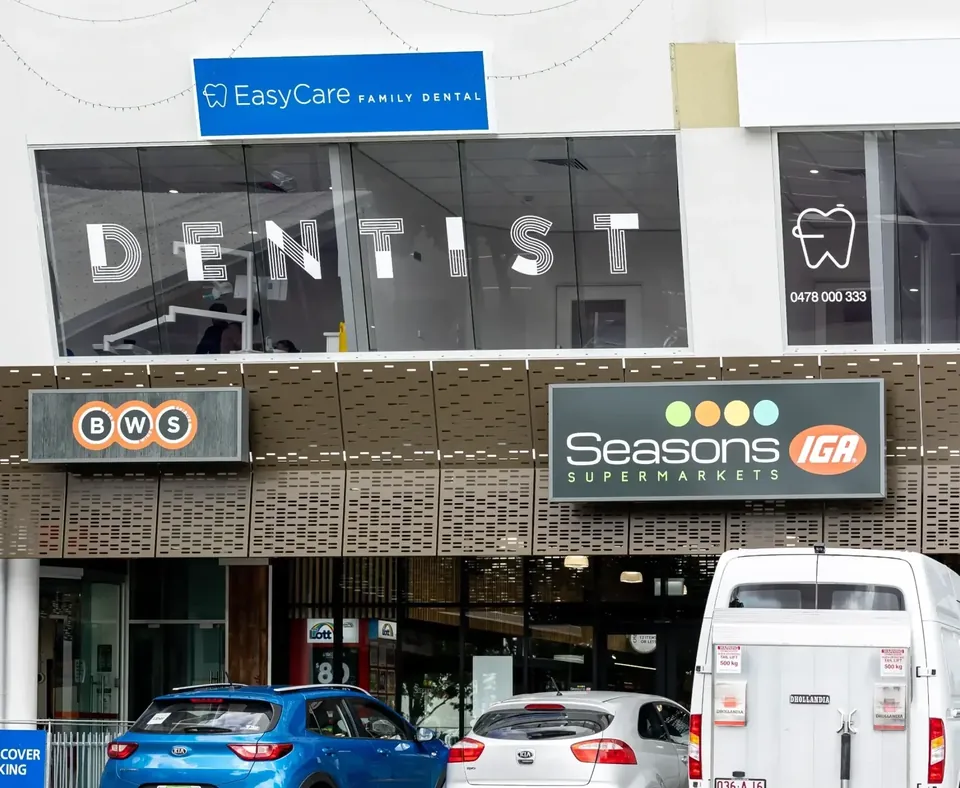
East Brisbane clinic Above Seasons IGA Free undercover parking Periodontal assessment
Brisbane Periodontal Care

Gum Disease Treatment Brisbane: What We Assess

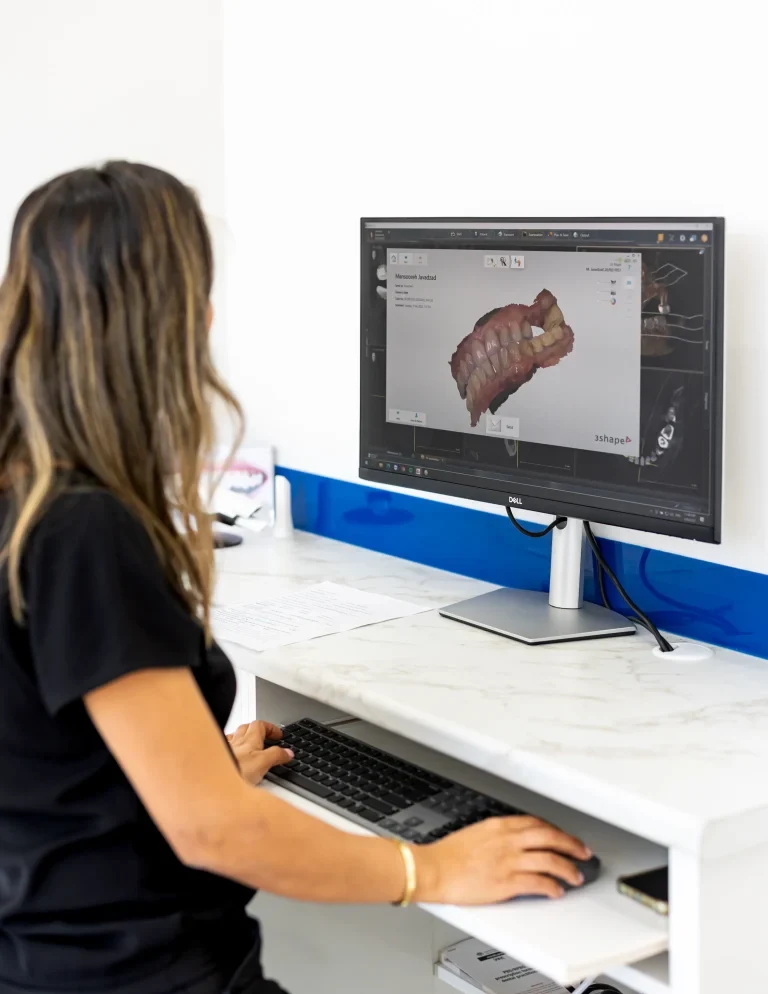
Gum disease treatment starts with understanding whether the concern is early gingivitis, established periodontitis, gum recession, bleeding gums, bad breath, deep gum pockets, loose teeth or a gum infection pattern. At EasyCare Family Dental, your dentist checks gum measurements, bleeding points, plaque, calculus, recession, tooth mobility and bone support where X-rays are needed.

Treatment may involve professional dental cleaning, deep gum cleaning, periodontal debridement, home care support, periodontal maintenance or referral to a periodontist when specialist periodontal disease treatment is more appropriate.

Quick Answers

Gum disease - short answers before you book

These direct answers help patients understand whether they may need a gum assessment, dental cleaning, periodontal care or referral.

What is gum disease?

Gum disease is inflammation or infection affecting the gums and supporting tissues around the teeth. It can range from gingivitis to more advanced periodontal disease.

Is bleeding gum normal?

Bleeding gums are common, but they are not considered healthy. Bleeding may suggest gum inflammation, plaque build-up or periodontal disease and should be assessed.

Can gum disease cause bad breath?

Yes. Gum inflammation, deep pockets, plaque and calculus can contribute to bad breath. If bad breath persists, gum health should be checked.

Signs and Symptoms

Signs you may need gum disease treatment

Gum disease can develop slowly and may not cause pain at first. These signs are worth checking, especially if they keep returning.

Bleeding gums

Bleeding when brushing, flossing or eating may suggest gum inflammation, plaque build-up or early gum disease.

Persistent bad breath

Bad breath can be linked with plaque, bacteria, deep gum pockets, dry mouth or other oral health factors.

Swollen or tender gums

Gums that look puffy, red, sensitive or swollen may need a professional gum and hygiene assessment.

Gum recession

Receding gums can expose root surfaces and may be linked with brushing trauma, gum disease, tooth position or bite forces.

Loose or shifting teeth

Tooth movement or looseness can be a sign of reduced support around the teeth and needs prompt assessment.

Calculus near gums

Hardened deposits around the gumline can make inflammation harder to control without professional cleaning.

Decision Support

Your gum symptoms guide the treatment pathway

Gum disease treatment is not one-size-fits-all. The right pathway depends on whether the issue is early inflammation, established periodontal disease, bad breath, recession or infection.

Concern
What it may suggest
Possible next step
Bleeding when brushing
Gingivitis, plaque build-up or early gum inflammation.
Gum assessment, professional cleaning and home care review.
Bad breath that keeps returning
Plaque, calculus, gum pockets, dry mouth or tongue coating may contribute.
Assess gums and consider bad breath treatment support.
Deep gum pockets
Possible periodontal disease affecting supporting tissues.
Periodontal charting, deep cleaning plan and review appointments.
Loose teeth or shifting bite
Possible reduced bone support or advanced gum disease.
Prompt assessment and referral discussion if specialist periodontal care is required.
Painful swelling or pus
Possible gum abscess, tooth infection or periodontal infection.
Emergency dental care may be needed.
Gum Disease Stages

Gingivitis, periodontitis and advanced gum disease

Understanding the stage helps patients know why treatment may be simple in some cases and more involved in others.

Gingivitis

Gingivitis is gum inflammation without confirmed loss of supporting bone. It may involve bleeding, redness, swelling or tenderness and often needs professional cleaning plus improved home care.

Periodontitis

Periodontitis affects the deeper supporting tissues around teeth. It may involve deeper pockets, bone loss, recession or tooth mobility and usually needs structured periodontal care.

Advanced gum disease

Advanced gum disease can affect chewing, tooth stability and long-term tooth retention. In some cases, referral to a periodontist may be discussed.

Treatment Options

What treatment options may be used for gum disease?

Your dentist will recommend treatment based on gum measurements, X-rays where needed, oral hygiene factors and the stability of the teeth.

Professional dental cleaning

For early gum inflammation, professional cleaning may remove plaque and calculus around the gumline. Home care guidance is usually part of this stage.

  • Suitable for many early gum concerns
  • May be combined with oral hygiene coaching
  • Often reviewed at future maintenance visits

Deep gum cleaning

If deeper pockets or calculus below the gumline are present, deeper cleaning or periodontal debridement may be recommended over one or more visits.

  • Targets deposits below the gumline
  • May require local anaesthetic for comfort
  • Usually needs review and maintenance

Periodontal maintenance

Gum disease often needs ongoing monitoring. Maintenance visits help review pocket depths, bleeding, plaque control and disease stability over time.

  • Important after active gum treatment
  • Frequency depends on risk and stability
  • Supports long-term gum health
Treatment Process

What happens during a gum disease assessment?

The first appointment is focused on diagnosis, staging and making the next step clear.

We listen to your concerns

We ask about bleeding, bad breath, sensitivity, gum recession, loose teeth, previous gum treatment and any factors that may affect gum health.

We assess your gums and teeth

Your dentist checks gum inflammation, calculus, pocket depths, recession, mobility and areas that are difficult to clean. X-rays may be recommended if bone support needs to be assessed.

We explain the stage and likely cause

You are shown what is happening and why treatment may be simple, staged or more involved depending on the findings.

We discuss treatment options

Treatment may involve cleaning, deep gum cleaning, home care changes, review visits, periodontal maintenance or referral if specialist care is needed.

Why EasyCare

Why patients choose EasyCare Family Dental for gum assessments

Gum disease treatment can feel overwhelming if it is not explained clearly. Our focus is to help you understand what is happening and what can be done next.

Clear gum measurements

We assess bleeding, gum pockets, recession, calculus and tooth support so the treatment plan is based on findings.

Comfort-aware care

We explain what to expect and can discuss comfort options such as local anaesthetic when deeper cleaning is needed.

East Brisbane convenience

EasyCare Family Dental is located above Seasons IGA East Brisbane with free undercover parking under the building.

Gum Disease FAQ

Common questions about gum disease treatment

Do you provide gum disease treatment in Brisbane?

Yes. EasyCare Family Dental provides gum disease assessment and periodontal care in East Brisbane for patients from nearby Brisbane suburbs.

What is periodontal disease treatment?

Periodontal disease treatment may include gum measurements, X-rays where needed, professional cleaning, deeper cleaning, home care support, maintenance visits or referral for specialist periodontal care when appropriate.

When should I see a dentist for bleeding gums?

Bleeding gums should be assessed if they keep returning, occur with swelling, bad breath, tenderness, gum recession or loose teeth.

What is the first sign of gum disease?

Bleeding gums are one of the most common early signs. Other signs can include redness, swelling, tenderness, bad breath, gum recession or calculus around the gumline.

Can gum disease cause bad breath?

Yes. Gum inflammation, deep pockets, plaque, calculus and bacteria around the gumline can contribute to bad breath. Persistent bad breath should be assessed rather than masked.

Do I need deep cleaning for gum disease?

Deep cleaning may be recommended if there are deeper gum pockets or calculus below the gumline. A dentist needs to assess your gums before deciding whether standard cleaning or deeper periodontal care is needed.

Do I need a gum disease specialist?

Some gum disease can be managed in general dental practice, while more advanced or complex cases may need referral to a periodontist. We can assess your gums and explain whether referral should be considered.

How much does gum disease treatment cost?

Cost depends on the stage of gum disease, whether X-rays are needed, the amount of cleaning required, the number of visits and whether maintenance or referral is required. A quote can be provided after assessment.

Ready to Check Your Gum Health?

Book a gum disease assessment in East Brisbane

If you are concerned about bleeding gums, bad breath, gum recession or loose teeth, we can assess your gum health and explain the most suitable next step.

Gum health assessment We check bleeding, gum pockets, calculus, recession and tooth support.
Clear treatment pathway We explain whether cleaning, deeper periodontal care, maintenance or referral may be needed.
Convenient local access Visit our East Brisbane clinic above Seasons IGA, with free undercover parking.