Patient treatment plan guide

How to Read Your Dental Treatment Plan - And When to Get a Second Opinion

Receiving a dental treatment plan can feel overwhelming, especially if you expected a routine clean and left with a list of procedures, item numbers and unexpected costs. This guide explains how to understand what is urgent, what can be monitored, and when a second opinion may help.

Dental quote explained Urgent vs monitor Plain-English treatment planning East Brisbane dental care
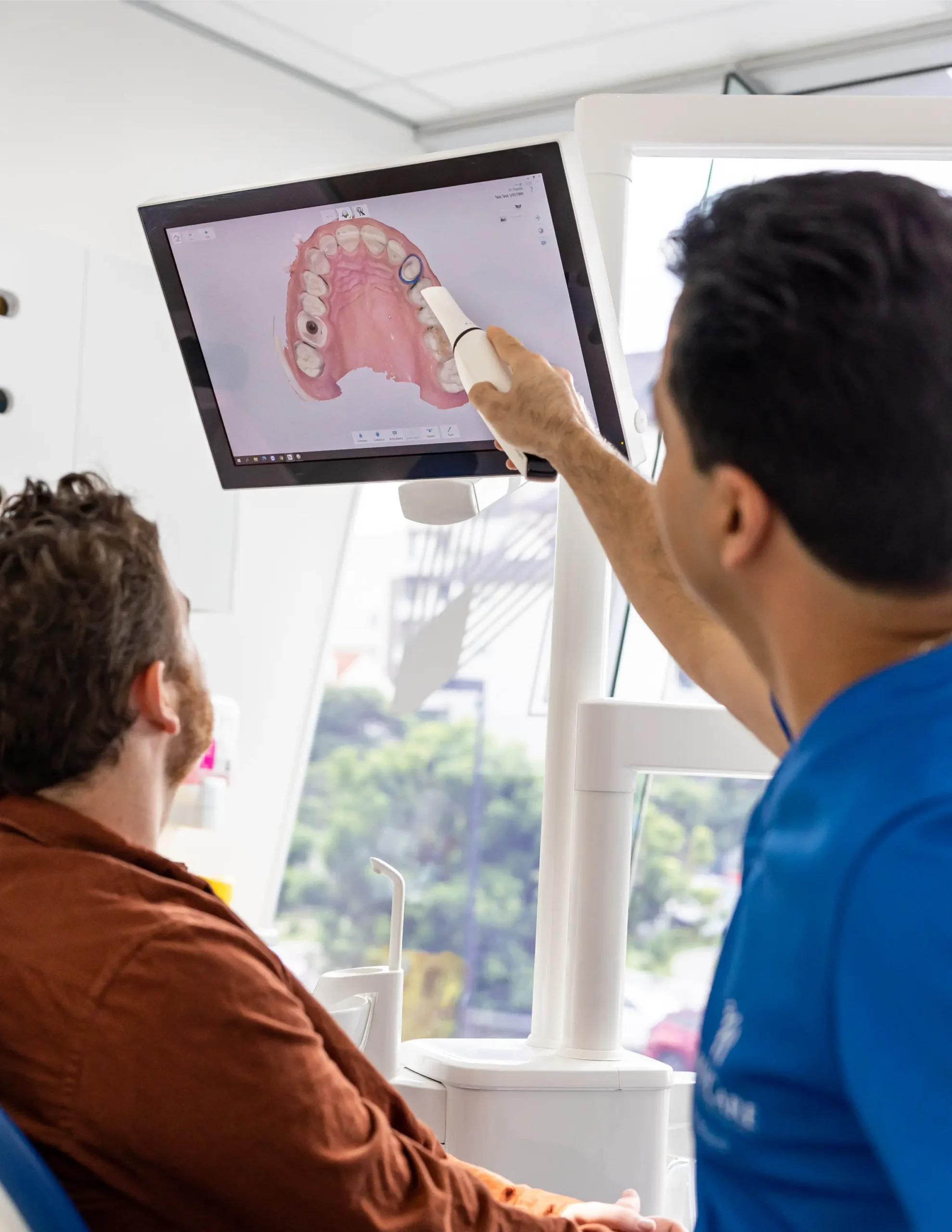
Digital treatment planning at EasyCare Family Dental in East Brisbane

The key idea

A good dental plan should not just list procedures and costs. It should help you understand why treatment is recommended, what can wait, what should not wait, and what your options are.

Quick answer A dental treatment plan should help you understand the diagnosis, the treatment options, the level of urgency, the likely costs and what may happen if treatment is delayed. Online search and AI tools can help translate dental terms, but they cannot replace a physical examination, X-rays, gum measurements, bite assessment or clinical judgement. If the plan feels unclear, unexpected or very expensive, it is reasonable to ask questions or seek a professional second opinion.

On this page

This article helps you understand a written dental plan. It is educational and should not replace advice from a dentist who has examined you.

Why dental treatment plans can feel overwhelming

Many patients sit in the dental chair expecting a routine appointment, then walk out with a printed or emailed plan that includes clinical terms, item numbers, stages and costs. It can feel like a lot to process at once.

1

Dental language can feel unfamiliar

Terms such as root planing, endodontics, onlay or restorative treatment may sound complex, even when the idea behind them is simple.

2

Costs can appear suddenly

A treatment plan may include several items, stages or teeth. This can feel unexpected if you attended for a clean or check-up.

3

Urgency is not always clear

Patients often want to know what must be done soon, what can be staged, and what can be safely monitored.

Helpful mindset: a treatment plan is not just a quote. It should be a roadmap that explains the diagnosis, priorities, options and reasons behind each recommendation.

Common dental terms explained in plain English

Dental plans often use clinical terms. Here is what some of the most common terms usually mean.

Term on the planSimple meaningWhere to learn more
Scale and cleanA professional dental clean to remove plaque, calculus and stains that cannot be removed properly at home.Dental cleaning
Scaling and root planingA deeper gum treatment for periodontal disease. It cleans below the gumline where bacteria and hardened deposits can affect the gum and supporting bone.Gum disease treatment
Restorative treatmentRepairing a damaged tooth. This often means a tooth-coloured filling if the tooth has decay, a chip or a small fracture.Dental fillings
Crown or onlayA stronger custom restoration used when a tooth is too cracked, heavily filled or weakened for a normal filling to be predictable.Dental crowns
Root canal therapyTreatment used to clean infection or inflammation from inside the tooth, aiming to save the tooth instead of removing it.Root canal treatment
ExtractionRemoving a tooth when it cannot be predictably saved, or when removal is the most appropriate option.Tooth removal
Implant, bridge or dentureOptions for replacing a missing tooth or teeth. The best option depends on bone, gum health, neighbouring teeth, bite, cost and maintenance.Dental implants
About item numbers: dental item numbers are codes used to describe the type of dental care provided. They also help health funds estimate rebates. Item numbers do not always tell you why treatment was recommended, so it is still important to ask for the clinical reason.

Common dental item numbers explained simply

Dental item numbers can look confusing on a treatment plan. This table explains common codes in patient-friendly language.

Item codeSimple meaningPatient-friendly explanation
013Limited oral examinationA focused dental check for a specific problem, such as toothache, swelling, wisdom tooth pain or a broken tooth.
014ConsultationA consultation appointment to discuss a dental concern, treatment plan or options.
015Extended consultationA longer consultation, often used when more time is needed for complex concerns, treatment planning or second-opinion discussions.
026CBCT or 3D scanA 3D dental scan used when more detail is needed, such as wisdom teeth close to the lower jaw nerve or sinus, implant planning or complex assessment.
037OPG X-rayA full-mouth panoramic X-ray that shows teeth, roots, wisdom teeth, jawbone and surrounding structures.
061Pulp testingA nerve test used to check whether a tooth is alive, inflamed, infected or not responding normally.
072Intraoral photographsClose-up dental photos used to document cracks, wear, decay, gum issues, old fillings or treatment progress.
114Removal of calculusRemoval of hardened plaque or tartar. This may be part of general cleaning or gum care.
121Topical remineralising agentApplication of a fluoride or remineralising product to help strengthen enamel or reduce decay risk.
161Fissure sealantA protective coating placed into grooves of teeth to reduce the risk of decay, often on back teeth.
222Periodontal debridementDeeper cleaning around teeth affected by gum disease, usually where plaque and calculus are below the gumline.
250Active non-surgical periodontal treatmentGum disease treatment aimed at reducing inflammation, bacterial build-up and deeper pocketing without surgery.
322Surgical tooth removal - less complexA surgical extraction where bone removal or tooth division is generally not required.
324Surgical tooth removal - more complexA more complex surgical extraction where bone removal and dividing the tooth may be needed.
415Root canal preparationCleaning and shaping the inside canals of a tooth during root canal treatment.
417Root canal obturation - 1 canalFilling and sealing one cleaned root canal after it has been prepared.
419Extirpation or pulp debridementEmergency or early-stage root canal care where infected or inflamed nerve tissue is removed or cleaned.
531Adhesive filling - one surfaceA tooth-coloured filling on one surface of a back tooth.
533Adhesive filling - three surfacesA larger tooth-coloured filling involving three surfaces of a back tooth.
577Cusp cappingExtra protection for a weakened cusp of a tooth, often when a filling needs to cover or protect a biting corner.
613Full crown - ceramic indirectA ceramic crown made outside the mouth and fitted to protect or restore a weakened tooth.
661Implant abutment fittingFitting the connector piece that joins a dental implant to the final crown or prosthetic tooth.
679Surgical implant guideA custom guide used to help plan and guide implant placement more accurately.
721Partial maxillary denture - resinA removable resin denture replacing some missing upper teeth.
731Denture claspA clasp added to help a partial denture hold onto a natural tooth.
732Occlusal restA small support component that helps a partial denture sit properly on a tooth.
733Tooth on partial dentureAn artificial tooth added to a partial denture.
965Occlusal applianceA custom bite splint or night guard, often used for grinding, clenching, tooth wear or jaw-related symptoms.
Important: item numbers are useful for understanding a quote and checking health fund rebates, but they do not tell the full clinical story. Two patients can have the same item number for different reasons. The most important question is: Can you show me why this item is needed?

Urgent treatment vs watch spots - what needs fixing now?

Not every finding on a dental examination needs immediate drilling or major treatment. A strong treatment plan should separate urgent issues from areas that can be monitored.

Urgent or active treatment

Urgent treatment may be needed when there is active decay, infection, swelling, pain, a crack reaching deeper tooth structure, an abscess, a broken tooth, or gum disease that is progressing.

  • Pain that is worsening or waking you at night
  • Facial swelling or pus
  • Large cavity or food trapping
  • Broken tooth with sharp edges or sensitivity
  • Crack with biting pain
  • Deep gum pockets or bone loss

Watch spots or monitoring

A watch spot means your dentist has noticed something that may not need treatment today, but should be reviewed. This could include early enamel changes, small crack lines, old filling margins or slow tooth wear.

  • Early enamel demineralisation
  • Small non-cavitated shadow on an X-ray
  • Minor wear or erosion
  • Stable old filling margin
  • Wisdom tooth with no symptoms or damage
  • Gum area that needs rechecking after cleaning
Important: monitoring is not the same as ignoring. It should include a plan, a timeframe, photos or X-rays where appropriate, preventive advice and a clear reason for review.

How to classify a treatment plan by priority

If your plan feels confusing, ask the practice to help place each item into one of these categories.

Priority levelWhat it usually meansExamplesUseful question to ask
UrgentLeaving it may increase pain, infection risk or tooth loss risk.Abscess, swelling, deep infection, severe pain, broken tooth with symptoms.What could happen if I delay this?
SoonTreatment is recommended, but there may be time to plan and stage it.Moderate cavity, cracked filling, weak tooth, gum treatment needs.How soon should this be done?
MonitorThe finding is not clearly ready for treatment today, but needs review.Early enamel changes, stable wear, small crack line, old filling margin.How will we know if it is getting worse?
Optional or electiveTreatment may improve appearance, comfort or function, but may not be medically urgent.Whitening, veneers, cosmetic reshaping, elective smile improvements.What are the benefits, risks and alternatives?

Why did X-rays or digital tools flag so many issues?

Modern dentistry often uses digital X-rays, intraoral photos, 3D scans and sometimes AI-assisted software. These tools can help identify details that may not be obvious to a patient in the mirror.

A

Digital images can reveal early changes

X-rays may show shadows between teeth, under old fillings or around roots. Some of these changes need treatment, while others may need monitoring.

B

AI can help translate patterns

Some clinics may use AI-assisted tools to highlight possible changes on dental images. These tools can support detection, but they do not replace clinical judgement.

C

Your dentist still needs to decide

A dentist considers your symptoms, risk level, history, bite, gum health, tooth structure and whether the finding is active or stable.

Simple explanation: technology can show possible problems. A dentist must decide whether the finding needs treatment now, careful monitoring, prevention, or referral.

Questions to ask before accepting a treatment plan

You should feel comfortable asking questions. A good explanation can make treatment decisions feel much less overwhelming.

1

What is urgent?

Ask which items are important to prevent pain, infection, fracture or further damage.

2

What can be monitored?

Ask which findings are early, stable or safe to review before treatment.

3

What are my options?

Ask whether there are conservative, staged or alternative treatment pathways.

4

What happens if I wait?

Ask about the risk of delaying each item, not just the cost of doing it now.

Useful sentence: Can you help me separate this plan into urgent treatment, soon treatment, watch areas and optional treatment?

When should you get a second opinion?

You should feel comfortable with your diagnosis, your options and your financial commitment. A second opinion does not mean your first dentist was wrong. It simply gives you another clinical explanation before you decide.

The plan was unexpected

You had no pain and a history of regular check-ups, but suddenly received a large or complex treatment plan.

Major treatment is proposed

You are considering crowns, root canal treatment, implants, multiple extractions, veneers or a full-mouth plan.

The explanation felt rushed

You did not feel comfortable asking questions, or you left without understanding why each item was recommended.

Respectful wording: a reputable dental team should be comfortable with patients seeking clarity. You can ask for your treatment plan, X-rays and item numbers so another clinician can review them.

The patient blueprint - your 3-step next step

If you have a dental treatment plan in your hand right now and feel uncertain, use this simple checklist.

1

Ask for the why

Call the practice and ask: Which treatments are urgent to prevent pain or infection, and which ones can be safely watched, delayed or staged?

2

Request your visuals

Ask to see your X-rays, photos or scans. A clear explanation should show where the cavity, crack, gum issue or infection concern is.

3

Get another opinion if needed

If something still does not feel clear, arrange a dedicated second-opinion consultation with a dentist who can examine you properly.

Need clarity on a dental treatment plan?

If you have been given a large or confusing dental quote and want it explained in plain English, EasyCare Family Dental in East Brisbane can provide a calm second-opinion consultation. We can review your concerns, examine your teeth and gums, discuss your options, and help you understand which items may be urgent, staged or monitored.

Next step: learn more about our Dental Second Opinion Brisbane page if you want a dedicated treatment plan review.

Helpful references

These patient and professional resources support the importance of informed choices, financial clarity and understanding treatment options.

Informed consent: Healthdirect explains that informed consent means you are given enough information about your options to make decisions about your health and healthcare. Read: Healthdirect: Informed consent.

Dental procedure questions: Healthdirect advises patients to ask dental professionals about benefits, risks and costs before a dental procedure. Read: Healthdirect: Guide to dental procedures.

Dental item numbers: The Australian Dental Association describes the Australian Schedule of Dental Services and Glossary as the recognised coding system for dental item numbers and procedures in Australia. Read: ADA: Australian Schedule of Dental Services and Glossary.

Financial consent: The ADA notes that treatment costs should ideally be provided to patients before treatment and that patients are responsible for confirming private health insurance benefits with their insurer. Read: ADA: Informed Financial Consent.

These links are for general education only and do not replace personalised dental advice.

Common questions

Simple answers to common questions about dental treatment plans and second opinions.

Why did I receive a dental treatment plan after a routine check-up?

A dental check-up can reveal problems that are not painful yet, such as early decay, cracks, gum disease, old filling leakage or infection on an X-ray. A treatment plan is used to explain what was found and what options may be suitable.

What do dental item numbers mean?

Dental item numbers are codes used to describe the type of dental care provided. They can help explain a quote and allow health funds to estimate rebates, but they do not explain the full clinical reason for treatment.

What does watch mean on a dental treatment plan?

A watch area means the dentist has noticed something that may not need treatment today, but should be reviewed. This may include early enamel changes, small crack lines, old filling margins or slow tooth wear.

Should every early decay spot be filled?

No. Some early enamel changes may be stabilised or remineralised with better plaque control, fluoride and reduced sugar frequency. A true cavity or progressing decay may need a filling.

Can AI or online tools explain my dental quote?

AI or online tools may help translate terms, but they cannot examine your teeth, test symptoms, measure gum pockets, assess bite pressure or interpret X-rays in your full clinical context.

When should I get a second opinion on a dental treatment plan?

A second opinion may help if the plan is unexpected, expensive, complex, involves major irreversible treatment, or if the explanation felt rushed or unclear.

What should I bring to a second opinion appointment?

Bring your treatment plan, quote, item numbers, X-rays, photos, health fund estimate, medical history and a list of questions. If you do not have everything, a dentist can still begin with an examination and discussion.

Confused by a dental treatment plan?

If you want your treatment plan explained clearly, a second-opinion consultation can help you understand what is urgent, what can be monitored, what alternatives may exist and what each option means.