
Sensitive teeth after whitening: what helps and how long it lasts
Some people experience temporary tooth sensitivity after whitening treatment. This guide explains why it happens, how long it usually lasts, and practical ways to reduce discomfort safely after professional or at-home whitening.
Quick answer
Whitening sensitivity is usually temporary and often settles within 24-48 hours after treatment.
Why Teeth May Feel Sensitive After Whitening
Teeth whitening can temporarily increase enamel permeability while lifting stains from the teeth. This may allow fluid movement within microscopic dentin tubules, creating temporary sensitivity to cold, hot, sweet foods or air.
Usually temporary
Most whitening-related sensitivity improves within 24-48 hours after treatment.
Often manageable
Using desensitising products and following the correct whitening protocol may help reduce discomfort.
Why Does Sensitivity Happen After Whitening?
Whitening peroxide can pass through enamel to the dentine beneath and temporarily irritate the tooth nerve. The response varies between people and products.
- Temporary enamel dehydration
- Open dentin tubules
- Exposed root surfaces
- Existing enamel wear
- Gum recession
- Aggressive brushing habits
Who Is More Likely to Experience Sensitivity?
Some people naturally have a higher risk of sensitivity after whitening, especially if there are pre-existing enamel or gum concerns.
Thin enamel
People with exposed dentine or existing enamel wear may already react to hot and cold and should be assessed before whitening.
Gum recession
Exposed root surfaces can make teeth more reactive to whitening products.
Previous sensitivity
If you already have sensitive teeth, whitening may temporarily increase sensitivity further.
Common Triggers After Whitening
Some foods, products and habits may worsen sensitivity immediately after whitening.
- Very cold drinks
- Ice cream or frozen foods
- Acidic foods and drinks
- Overusing whitening strips
- Using multiple whitening products together
- Brushing too hard with abrasive toothpaste
How to Reduce Teeth Sensitivity After Whitening
Most whitening sensitivity can be reduced by preparing the teeth properly before treatment and following good aftercare.
Use desensitising toothpaste
Products containing potassium nitrate or stannous fluoride may help calm nerve sensitivity.
Avoid very hot or cold foods
Lukewarm foods and drinks may feel more comfortable during the first 24-48 hours.
Use a soft toothbrush
Gentle brushing may help reduce irritation to sensitive enamel and gums.
Do not over-whiten
Using whitening products too frequently may increase sensitivity and enamel irritation.
Consider professional supervision
Dentist-supervised whitening protocols can help reduce the risk of excessive sensitivity.
Pause treatment if needed
If sensitivity becomes uncomfortable, short breaks from whitening may help the teeth settle.
At-Home Whitening vs Professional Whitening
At-home whitening products can vary significantly in strength, fit and usage instructions. Professional whitening is typically more controlled and supervised.
At-home whitening
Can be more variable and may carry a higher risk of misuse, excessive wear time or overuse.
Professional whitening
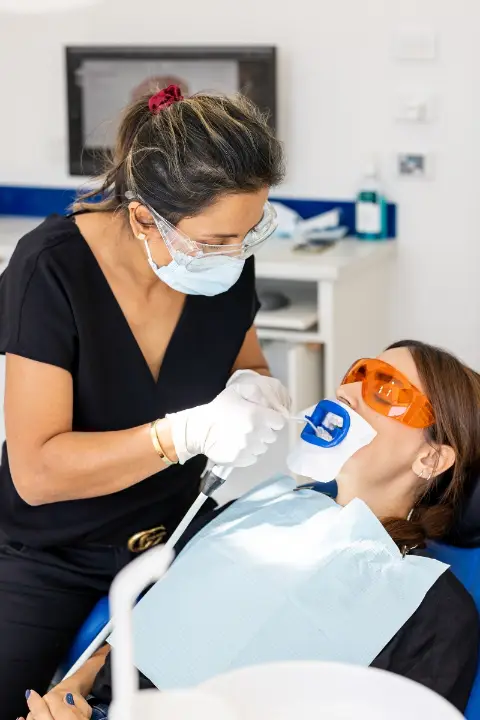
Dentist-supervised whitening can include controlled gel strength, enamel assessment and sensitivity management protocols.
Learn more about our professional teeth whitening options.
When Should You Seek Advice?
If sensitivity lasts more than a few days, wakes you during sleep, or occurs without whitening treatment, it may be worth booking a dental assessment.
Other causes such as enamel wear, tooth decay, cracks, gum recession or bite-related problems may require different treatment before whitening continues.
Whitening Sensitivity FAQs
How long does teeth sensitivity last after whitening?
Whitening sensitivity is usually temporary and often settles within a few days. If pain is severe, one-sided, worsening or persists, ask a dentist to check for another cause.
Does whitening damage enamel?
Professional whitening used appropriately is generally considered safe for enamel. Overuse or misuse of whitening products may increase the risk of irritation or sensitivity.
Can I still whiten if I already have sensitive teeth?
Possibly. Some patients with sensitive teeth can still whiten safely using modified protocols, lower-strength products or additional desensitising steps.
Should I stop whitening if my teeth hurt?
If discomfort becomes significant or persistent, pause whitening and seek professional advice before continuing.
Is Zoom whitening safe?
Dentist-supervised whitening systems such as Philips Zoom are designed to follow controlled protocols to improve safety and comfort.
What should I avoid after whitening?
Very cold, acidic or highly staining foods and drinks may worsen temporary sensitivity during the first 24-48 hours.
Concerned About Whitening Sensitivity?
If you are considering whitening but feel worried about sensitivity, our team can assess your teeth, gums and enamel health before recommending a suitable approach.