Dental Implant Procedure Explained Step by Step
Dental implants are often described as a long-term solution for missing teeth, but many patients are unsure what actually happens during the process. This guide explains each stage in plain language so you know what to expect before making a decision.
Short Answer
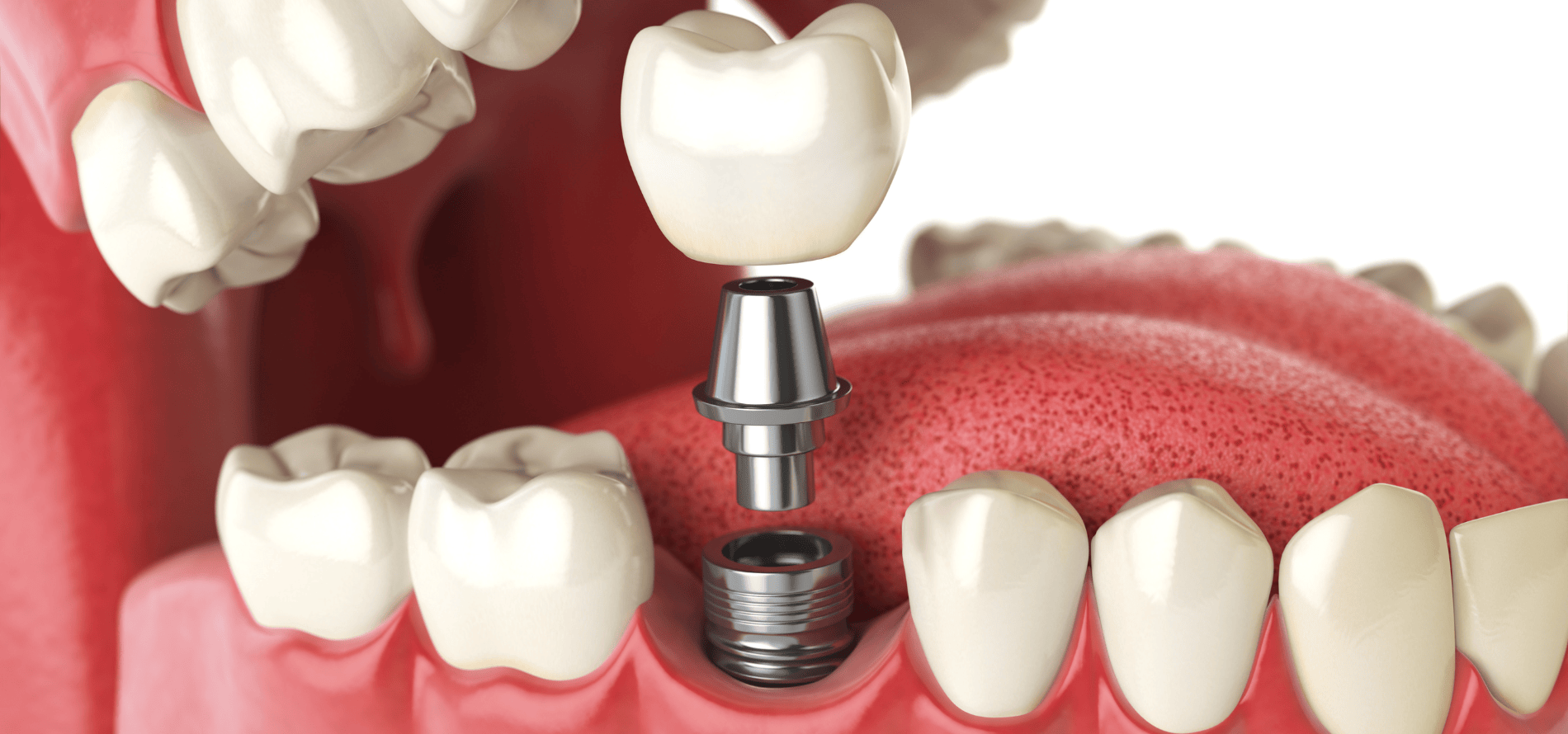
Dental implant treatment is usually completed in stages. First, the implant is placed into the jawbone. Then it is allowed to heal and integrate with the bone. After healing, a crown, bridge or denture is attached to restore function and appearance.
The exact timing depends on your bone, gum health, bite, medical history and whether additional treatment such as tooth removal or bone grafting is needed.
Step-by-Step Dental Implant Process
Every implant case should be planned carefully before treatment begins. The process below shows the usual pathway, although your dentist may adjust the timing based on your individual situation.
Consultation and assessment
Your dentist examines your gums, bone, bite and missing tooth area. 3D imaging may be used to assess bone levels, nerves and sinus position. If you are considering treatment, read what affects dental implant suitability.
Treatment planning
You receive a personalised plan explaining suitability, treatment stages, timing, cost factors and alternatives. Our dental implant cost guide explains common pricing factors.
Implant placement
The implant is placed into the jawbone under local anaesthetic. This implant acts as the new tooth root.
Healing and integration
The implant is left to heal and integrate with the bone. This process is called osseointegration and is important for long-term stability.
Final restoration
Once healing is complete, a crown, bridge or denture is attached to the implant to restore chewing function and appearance.
Ongoing maintenance
Regular check-ups and good home care help protect the implant, gums and surrounding bone over time. See our guide to caring for dental implants.
What Materials Are Used in Dental Implants?
Implant materials are selected based on strength, biocompatibility, aesthetics and the needs of the case.
Titanium implants
Titanium is commonly used in dental implants because it is strong, biocompatible and can integrate with bone. It has been used in implant dentistry for many years.
Zirconia implants
Zirconia is a ceramic material that may be considered in selected cases, including when a patient prefers a metal-free option. Suitability depends on the clinical situation.
Why Precision Planning Matters
Modern implant treatment is not just about placing an implant where a tooth is missing. The implant needs to be positioned so the final tooth can function comfortably, look natural and be easier to maintain.
3D assessment
3D imaging helps assess bone volume, nearby anatomy and the safest position for the implant.
Surgical guides
A surgical guide may help transfer the digital plan into the mouth with greater accuracy.
Restoration-first planning
The final crown position should guide where the implant is placed, not the other way around.
What Is a Two-Stage Implant Procedure?
In some cases, implant treatment is completed in two main stages. The implant is placed first and allowed to heal under the gum or with a healing component. After integration, the final abutment and crown are attached.
Why it may be recommended
- Allows the implant to heal before full chewing forces are applied
- May improve predictability in selected cases
- Can be useful when bone or soft tissue needs time to stabilise
Is it always needed?
No. Some cases may allow different timing. Your dentist will recommend the most suitable sequence after assessing your bone, gum health, bite and treatment goals.
Healing and Recovery After Implant Placement
Healing time varies between patients. Some people return to normal daily activities quickly, while others need more time depending on the complexity of treatment.
What supports healing?
- Following your aftercare instructions
- Keeping the area clean
- Avoiding smoking during healing
- Maintaining healthy gums
- Attending review appointments
When to contact the clinic
If you notice increasing pain, swelling, bleeding, fever or anything that does not feel right, contact your dentist for advice. If you have difficulty breathing or swallowing, seek urgent medical care.
When Additional Procedures Are Needed
Some implant plans involve extra steps before the implant can be placed. This does not mean implants are impossible. It simply means the foundation may need to be prepared first.
Bone grafting
Bone grafting may be recommended when there is not enough suitable bone to support the implant safely or ideally.
Read more about bone grafting before dental implants.
Tooth removal
If a tooth cannot be saved, removal may be planned together with future implant replacement to help protect the site where possible.
Read more about tooth removal.
How This Page Supports Your Implant Decision
This guide explains the procedure itself. If you are deciding whether implants are suitable for you, the next step is to review the full treatment decision page.
Next step
Visit our main Dental Implants East Brisbane page to learn about suitability, treatment options, cost factors, recovery considerations and what to expect at EasyCare Family Dental.
Dental Implant Procedure FAQs
How many appointments are needed?
This varies depending on your case. Some people need consultation, imaging, implant placement, healing reviews and final crown appointments. More complex cases may need additional stages.
Is implant placement painful?
Implant placement is usually carried out under local anaesthetic, so the area should feel numb during treatment. Some soreness or swelling afterwards can occur.
How long does the implant need to heal?
Healing time varies depending on your bone, health and treatment complexity. Your dentist will explain the expected timing before treatment begins.
What is osseointegration?
Osseointegration is the process where bone heals around the implant surface and helps stabilise it.
Do I always need a surgical guide?
Not always. A surgical guide may be recommended when it improves accuracy or safety for your case.
What happens after the final crown is fitted?
You will need regular maintenance, good home cleaning and review appointments to monitor your implant and gum health.
Thinking About Dental Implants?
We can assess your mouth, explain your options and guide you through the implant process step by step.