How to Keep Dental Implants Healthy
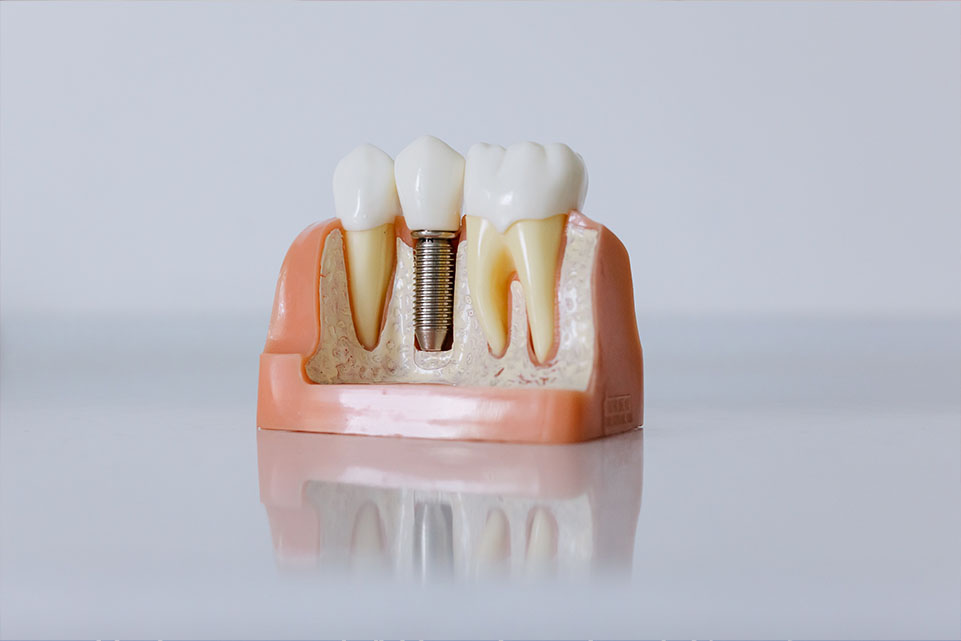
Dental implants can last many years when they are properly maintained. Daily cleaning, gum health, nutrition, hydration and regular dental reviews all help protect the bone and soft tissue around your implant.
Short Answer
Keeping dental implants healthy means keeping the gums and bone around them healthy. The most important habits are daily cleaning, regular professional checks, good hydration, balanced nutrition and reducing risks such as smoking, uncontrolled gum disease and grinding.
This page focuses on long-term implant maintenance. If you are still deciding whether implants are right for you, visit our main Dental Implants East Brisbane page.
Daily Habits That Protect Dental Implants
Dental implants are not affected by decay like natural teeth, but the gums and bone around them still need daily care. Plaque build-up around implants can contribute to inflammation and bone loss if it is not managed early.
Clean every day
Brush twice daily and clean between the teeth using floss, interdental brushes or the method your dentist recommends for your implant shape.
Maintain gum health
Healthy gums help protect the implant foundation. Bleeding, swelling or tenderness should be reviewed early.
Attend reviews
Regular dental reviews help monitor the implant, gum health, bite and bone support over time.
Best Foods for Gum and Implant Health
A balanced diet supports gum tissue, healing, immune response and bone health. Food alone cannot replace professional care, but it can support the conditions your gums and implants need to stay healthy.
Helpful nutrients
- Protein - supports tissue repair and healing
- Vitamin C - supports gum tissue and collagen
- Calcium and vitamin D - support bone health
- Omega-3 sources - may support a healthy inflammation response
- Fibre-rich foods - support general and oral health
Easy food examples
- Greek yoghurt, eggs or lean protein
- Leafy greens, capsicum, berries and citrus
- Salmon, sardines, chia or flaxseed
- Nuts, legumes and whole grains
- Crunchy vegetables where comfortable to chew
Hydration and Sugar Habits Matter
Saliva helps protect the mouth. Frequent sipping on sugary or acidic drinks can increase the risk of decay around natural teeth and may contribute to an environment that is less healthy for gums.
Helpful habits
- Drink plain water regularly
- Keep sugary or acidic drinks to mealtimes where possible
- Rinse with water after acidic drinks
- Choose tooth-friendly snacks most of the time
Simple swaps
- Soft drink → sparkling water, then rinse with plain water
- Sticky sweets → yoghurt with berries
- Frequent grazing → planned meals and snacks
- Sipping coffee with sugar → finish sooner and rinse with water
Lifestyle Habits That Affect Implant Health
Some lifestyle factors can affect healing, gum health and long-term implant stability. The aim is not perfection. The aim is to identify the risks that matter most for your mouth and manage them early.
Smoking and vaping
Smoking can increase the risk of healing complications and gum problems around implants. Cutting down or quitting before and after implant treatment can improve the outlook.
Diabetes control
Stable blood sugar supports healing and gum health. If you have diabetes, your dentist may recommend closer monitoring and maintenance.
Grinding and clenching
Heavy bite forces can place extra stress on implant restorations. A custom night guard may be recommended if you grind or clench.
Gum inflammation
Bleeding gums, swelling or persistent tenderness should be checked early. Treating gum inflammation helps protect the implant foundation. If bleeding persists, ask for a gum assessment.
After Implant Treatment: What to Be Careful With
After implant placement, follow the specific instructions your dentist gives you. The advice may vary depending on whether you had tooth removal, bone grafting, sinus lift or implant placement alone.
During early healing
- Follow the cleaning instructions provided
- Choose soft foods if advised
- Avoid smoking during healing
- Avoid disturbing the surgical site
- Attend your review appointment
When to contact your dentist
Contact the clinic if you notice increasing pain, swelling, bleeding, fever, bad taste, looseness or anything that does not feel right. If you have difficulty breathing or swallowing, seek urgent medical care.
Long-Term Implant Maintenance
Long-term implant care is about prevention. Regular reviews allow your dentist to check the implant restoration, the gum seal, your bite and the bone support around the implant.
Professional cleans
Professional maintenance helps remove build-up that is difficult to clean at home. See our professional cleaning and preventive review information.
Bite checks
Your bite may need monitoring, especially if you grind, clench or have multiple restorations.
Home-care updates
Your cleaning tools may need to change depending on the implant shape, gum health and access around the restoration.
How This Page Supports Your Implant Journey
This guide is for maintaining implants and protecting gum health. If you are still researching treatment, these pages may help you choose the right next step.
Planning treatment
Learn about suitability, options, cost factors and what to expect on our Dental Implants East Brisbane page.
Understanding the process
Read our Dental Implant Procedure guide if you want to understand the stages of treatment.
Bone support
If you have been told you have limited bone, read about bone grafting before dental implants.
Gum care
If your gums bleed, feel swollen or need treatment, ask us about gum health before or after implant treatment.
Dental Implant Care FAQs
Do dental implants need special cleaning?
They need careful daily cleaning around the gumline and between teeth. Your dentist or hygienist can show you the best tools for your implant shape.
Can food affect implant health?
Food does not directly damage an implant, but a balanced diet supports gum health, healing and the tissues around the implant.
Can smoking affect dental implants?
Yes. Smoking can increase the risk of healing complications and gum problems around implants.
How often should implants be checked?
This depends on your gum health and risk factors. Many patients need regular reviews and professional cleans, and some need more frequent maintenance.
What if my implant gum bleeds?
Bleeding can be a sign of inflammation. It is best to have it checked early so the cause can be managed.
Do I need a night guard?
If you grind or clench your teeth, a night guard may help protect your implant restoration and natural teeth.
Need Advice About Your Dental Implant?
We can assess your implant, check your gum health and guide you on how to protect your long-term oral health.
EasyCare Family Dental - Suite 103 / 33 Lytton Rd, East Brisbane QLD 4169 - above Seasons IGA with free undercover parking.