Wisdom tooth symptom guide
Pericoronitis: symptoms of infection around a wisdom tooth
Pericoronitis is inflammation around a partly erupted tooth, usually a wisdom tooth. A flap of gum can trap food and bacteria, leaving the area sore, swollen or difficult to clean.
Pain behind your last molar, a bad taste or swelling can have other causes too. A dentist can examine the area and advise whether it needs cleaning, monitoring or further treatment.
Call 07 3523 3333Check symptoms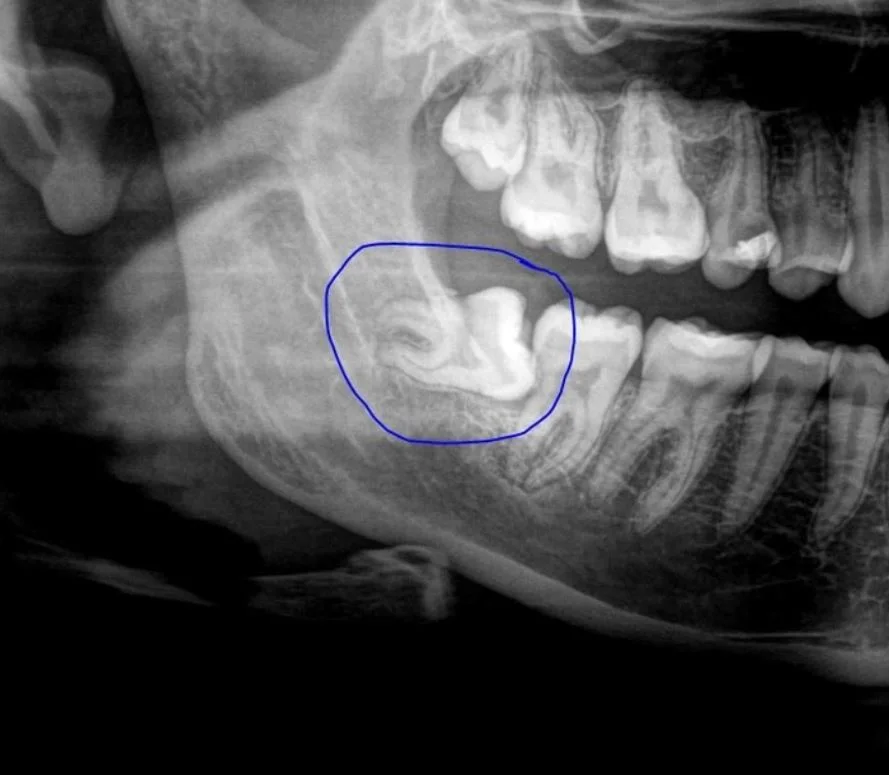
An examination can distinguish gum inflammation from other wisdom tooth problems.
What are the signs of pericoronitis?
Local symptoms
Gum behind the last molar may be red, swollen or tender. Pain when chewing, a bad taste, bad breath or trouble cleaning around a partly erupted tooth can occur. Sometimes the opposing tooth bites on the swollen gum flap.
Signs that need prompt help
Increasing facial swelling, fever, pus, difficulty opening your mouth, painful swallowing or feeling unwell can suggest a more serious infection. Contact a dentist promptly. Trouble breathing or rapidly spreading swelling needs urgent medical care.
Why can it keep coming back?
A wisdom tooth that has only partly come through may leave a gum flap that is hard to clean. Food and plaque collect beneath it. Symptoms can improve and then return if the area remains difficult to clean or the tooth’s position continues to cause problems.
Your dentist may examine the gum, check mouth opening and use an X-ray if needed to assess the tooth and its neighbour. The choice of care depends on how severe the episode is and whether it has happened before.
Do antibiotics fix a wisdom tooth infection?
Not usually by themselves. The dentist may clean or irrigate the area and discuss symptom relief. Antibiotics may be considered for a spreading infection or systemic signs, but they do not change the tooth’s position or stop a gum flap trapping debris.
Do not start leftover antibiotics or delay an assessment because pain temporarily improves. Tell the dentist about any medicine you have already taken.
Will the wisdom tooth need removal?
Not every episode leads to extraction. If the tooth can be kept clean and symptoms settle, monitoring may be reasonable. Cleaning or irrigation during an acute episode can relieve trapped debris, but follow-up matters if the same area repeatedly flares. Repeated infection, damage to the neighbouring tooth, an unfavourable position or continuing difficulty cleaning may lead to a discussion of wisdom tooth assessment and removal options. If removal is recommended after assessment, our wisdom tooth removal costs guide explains fee ranges and what may affect your quote.
Seek urgent dental care if swelling or pain is worsening, particularly with fever, pus or difficulty opening or swallowing. For symptoms more generally, see our dental infection guide.
Common questions
Is pericoronitis the same as a wisdom tooth infection?
It describes inflammation, sometimes with infection, in the gum around a partly erupted tooth. An examination is needed to distinguish it from other causes of pain or swelling.
Can pericoronitis cause a bad taste?
Yes. Debris or discharge around the gum flap can cause an unpleasant taste or smell. A bad taste alone cannot confirm the diagnosis.
Should I try to clean under the gum flap?
Keep the area as clean as you comfortably can with gentle brushing. Do not force an object under painful swollen gum. Ask a dentist to assess and clean the area if symptoms persist.
Can it settle without antibiotics?
Mild local inflammation may settle with appropriate cleaning and care, but recurrent or worsening symptoms need assessment. Antibiotics are decided on clinical signs rather than prescribed routinely.
Will an X-ray always be needed?
It depends on the examination and your history. An X-ray can help show the wisdom tooth position, relationship to the next tooth and whether removal needs planning. Your dentist will explain if it is useful.
Why does it hurt when I bite?
The opposing tooth may press on swollen gum over a partly erupted wisdom tooth. Other problems can also cause biting pain, so an examination matters.
When is it urgent?
Seek prompt dental advice for worsening swelling, fever, pus, difficulty opening or painful swallowing. Trouble breathing or rapidly spreading swelling needs emergency medical help.
Swelling or pain around a wisdom tooth?
Tell us when it started, whether it keeps returning, and whether you have fever, a bad taste or difficulty opening your mouth. We can advise the next step.
Call 07 3523 3333Book online