Preventing Sports-Related Dental Injuries in Children and Adults
Sports-related dental injuries can happen during contact sport, school sport, cycling, cricket, weekend games and accidental falls. This educational guide explains common dental injuries, how mouthguards may help reduce injury severity, and what to do if a tooth is knocked, chipped or displaced during sport.
Common Dental Injuries That Can Happen During Sport
Dental trauma can range from small chips to serious injuries involving the tooth root, gum, jaw or surrounding soft tissues.
Chipped or Broken Teeth
A direct impact from a ball, elbow, fall or collision may chip enamel, fracture a filling, or break part of a tooth.
Learn more about symptoms and next steps in our broken tooth guide.
Knocked-Out Teeth
A knocked-out adult tooth needs urgent attention. The tooth should be handled carefully and kept moist.
See our dedicated knocked-out tooth first-aid guide.
Soft Tissue and Jaw Injuries
Sporting impacts may also cause lip cuts, cheek injuries, gum trauma, jaw pain, bite changes or facial swelling.
For broader injury information, visit our dental trauma guide.
Sports That May Increase Dental Injury Risk
Dental injuries may occur in both contact and non-contact activities, especially where there is speed, impact, falls or close physical contact.
Footy, Rugby and Contact Sport
Tackles, collisions and accidental elbows may increase the risk of broken teeth, lip injuries and jaw trauma.
Cricket and Ball Sports
Wicket keepers, close fielders and players facing fast-moving balls may be exposed to facial and dental impact injuries.
Cycling and Falls
Falls from bikes or scooters may cause facial trauma, tooth fractures, lip injuries or tooth displacement.
How Mouthguards May Help During Sport
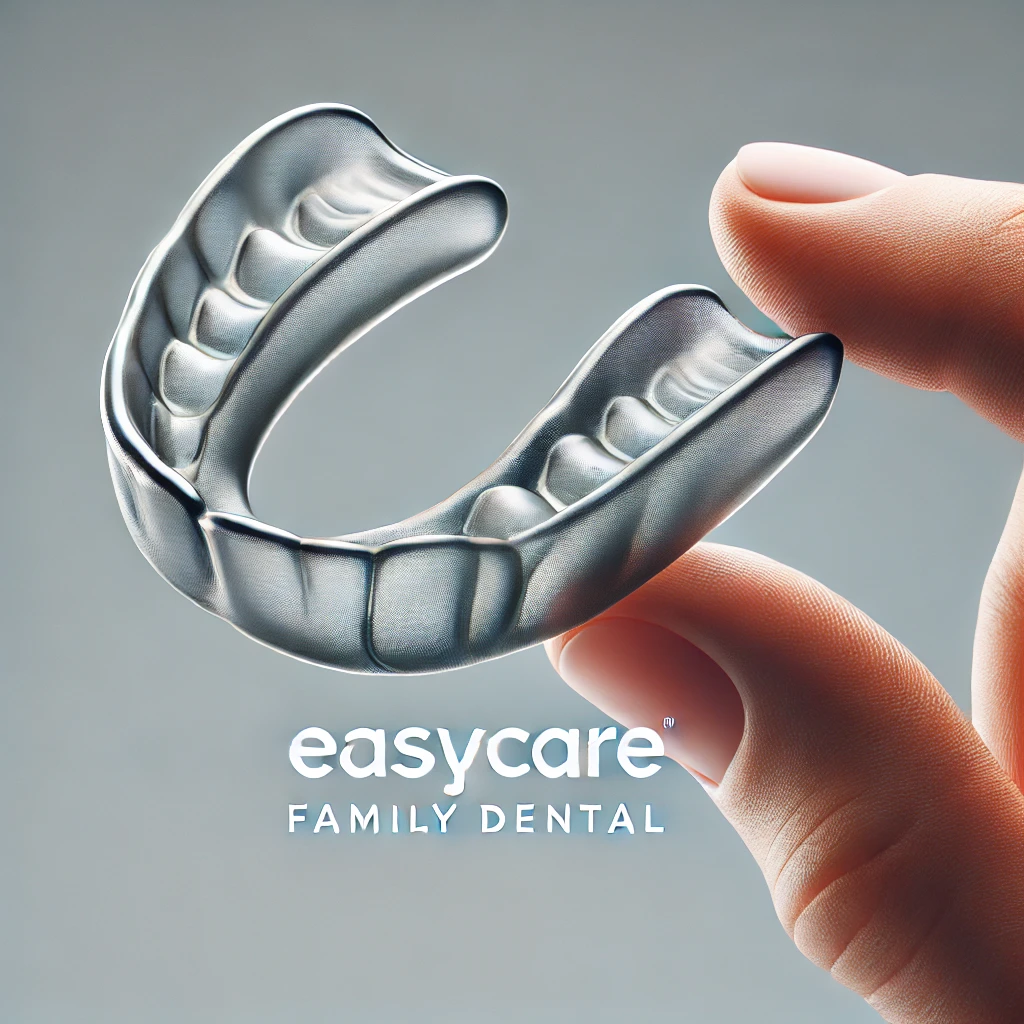
A sports mouthguard is designed to sit over the teeth and provide a cushioning layer during impact. It may help absorb and distribute force, reducing the severity of some injuries.
- May reduce direct trauma to front teeth
- May help protect lips and cheeks from sharp tooth edges
- May reduce the risk of tooth displacement during impact
- May improve comfort and retention when properly fitted
Custom, Boil-and-Bite and Stock Mouthguards
Mouthguards vary in fit, comfort and protection. Stock guards are pre-made, boil-and-bite guards are softened and shaped at home, and custom mouthguards are made from a dental impression or scan.
A better-fitting mouthguard may feel more stable during sport and may make breathing and speaking easier.
For service information, see custom sports mouthguards.
First Aid If a Tooth Is Knocked Out During Sport
A knocked-out adult tooth is time-sensitive. These steps are general first-aid guidance and do not replace urgent professional care.
Hold the tooth by the crown
Avoid touching the root surface. The root cells are delicate and may be important for replantation.
Do not scrub the tooth
If the tooth is dirty, gently rinse it with milk or saline. Do not scrape, scrub or dry the root.
Keep the tooth moist
If the tooth cannot be placed back into the socket, keep it in cold milk. Avoid wrapping it in tissue or letting it dry out.
Seek urgent care quickly
Time matters. Read our knocked-out tooth guide for more detailed first-aid information.
Children, School Sport and Dental Safety
Children and teenagers may be more exposed to dental injuries during school sport, weekend competitions and training. Growth changes can also affect how a mouthguard fits over time.
- Check fit before each sports season
- Replace loose, chewed or damaged mouthguards
- Keep the mouthguard in a ventilated case
- Encourage children to wear it during both training and games
Mouthguard Care and Replacement
A mouthguard should be cleaned and stored properly to maintain hygiene and shape.
- Rinse after use
- Clean gently with mild soap and a soft brush
- Store away from heat
- Avoid leaving it in a hot car
- Replace it if it feels loose, thin, sharp or distorted
When to Seek Dental Assessment After a Sports Injury
Some symptoms may appear immediately, while others develop later. A dental assessment may be needed after impact even if the tooth looks normal.
Pain or Sensitivity
Pain when biting, lingering sensitivity, throbbing pain or tenderness may indicate deeper tooth trauma.
Related guide: toothache and dental pain.
Swelling or Infection Signs
Swelling, pus, fever, bad taste or spreading facial swelling may need prompt assessment.
Related guide: dental infection and swelling.
Loose Teeth or Bite Changes
A tooth that feels loose, pushed out of position, or different when biting may have suffered trauma below the gumline.
Related page: emergency dental information.
Related Educational Resources
These pages support this article and help readers understand prevention, trauma and urgent dental symptoms without turning this blog into a service page.
Custom Sports Mouthguards
Service information for custom-fitted sports mouthguards.
Knocked-Out Tooth First Aid
What to do when an adult tooth is fully knocked out.
Broken or Chipped Tooth
Symptoms and treatment considerations after a tooth fracture.
Dental Trauma Guide
General education about dental injuries from accidents or sport.