How to Overcome Dental Anxiety
Feeling nervous about visiting the dentist is more common than many people realise. Dental anxiety can affect adults at different stages of life and may lead to delayed dental care, worsening symptoms and more complex treatment later on.
This educational guide explains common causes of dental anxiety, practical ways to feel more comfortable, and how a calm dental environment with natural light, greenery and open sky views may help make appointments feel less overwhelming.

What Is Dental Anxiety?
Dental anxiety refers to fear, nervousness or stress connected with dental visits, dental treatment, sounds, smells, past experiences or feeling out of control in the chair.
How Dental Anxiety Can Affect Oral Health
- Dental visits may be delayed for months or years
- Small problems may become more uncomfortable over time
- Tooth pain, sensitivity or swelling may feel harder to manage
- Patients may feel embarrassed about returning after a long gap
Why a Gentle First Step Matters
For many anxious patients, the first goal is not to complete complex treatment immediately. It is to feel heard, understand what is happening, and build confidence with a calm, well-explained appointment.
What Can Cause Fear of the Dentist?
Dental anxiety can come from one experience or build gradually over time. Understanding the cause can make it easier to plan a more supportive visit.
Fear of Pain or Discomfort
Some patients associate dental care with discomfort because of past experiences, family stories or uncertainty about what treatment will feel like.
Feeling Out of Control
Not knowing what is happening during treatment can make the appointment feel more stressful. Clear explanations and regular pauses can help patients feel more in control.
Negative Past Experiences
Rushed appointments, poor communication, feeling judged or not being listened to can create long-term fear around dental visits.
Embarrassment About Teeth
Some people avoid care because they feel self-conscious about their teeth or gums. A supportive, non-judgemental approach can help make the first visit easier.
A Calm Environment Designed for Anxious Patients
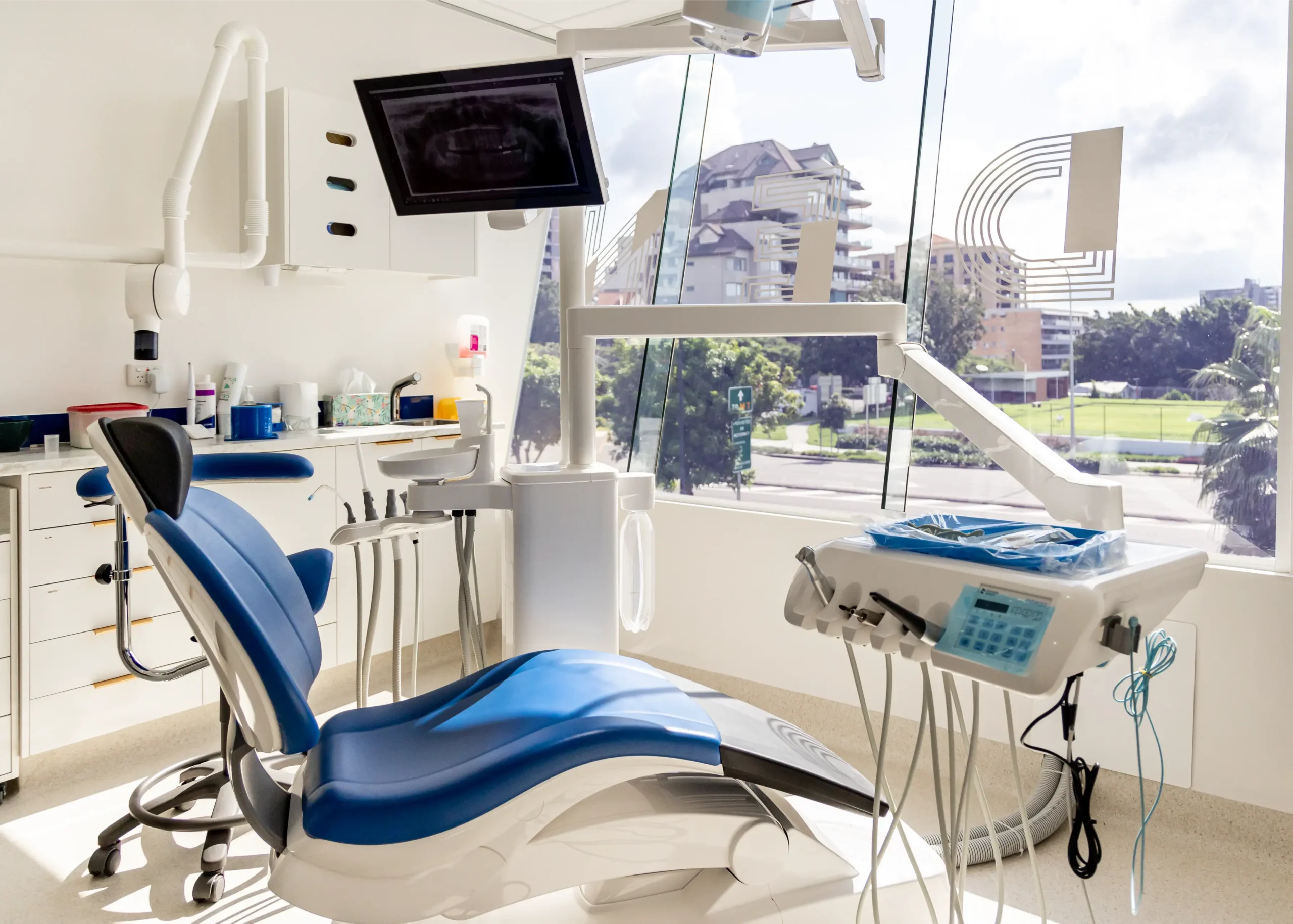
The clinic environment can influence how safe, calm and comfortable a patient feels. EasyCare Family Dental has been designed to feel bright, open and less clinical.

Reception That Feels Welcoming
For anxious patients, the waiting area can be one of the most stressful parts of a dental visit. A soft, calm reception space can help reduce the sense of being in a traditional clinical environment.
- Warm and modern reception area
- Calm colours and soft finishes
- Friendly, supportive communication
- A gentler appointment flow from arrival
Natural Light, Green Views and Blue Sky
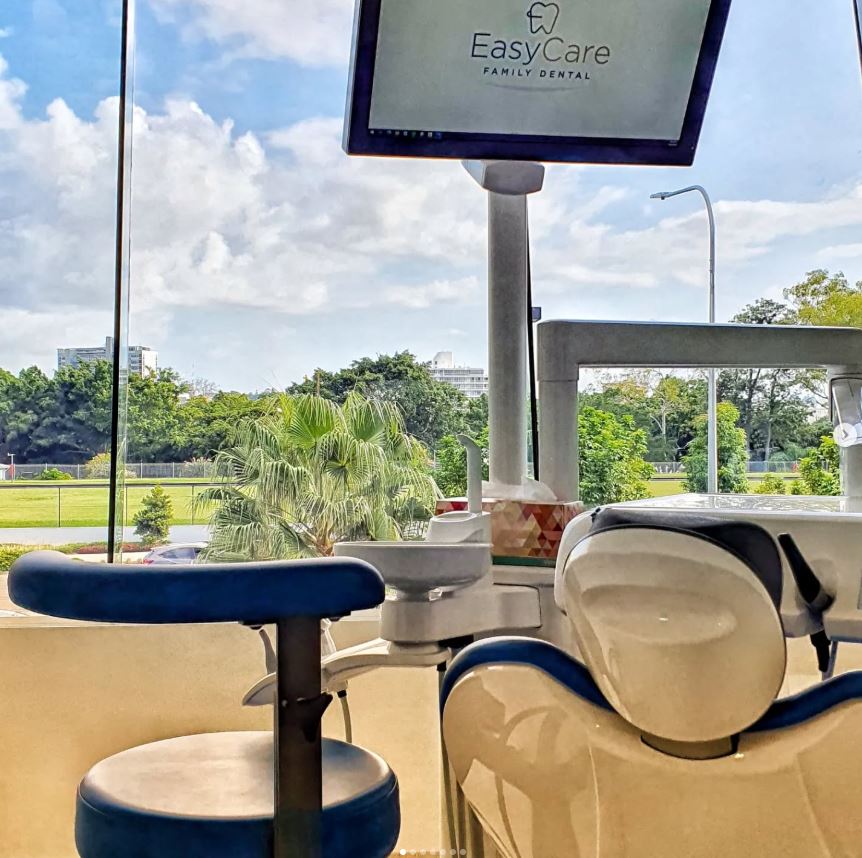
One of the most important comfort features at EasyCare Family Dental is the use of natural light, green nature views and open blue sky visibility from the clinic environment.
For anxious patients, these design elements may provide a calming visual focus and help the room feel more open, brighter and less enclosed.
- Natural light in the dental environment
- Green views to create a calmer visual focus
- Blue sky visibility to reduce a closed-in feeling
- A softer, less clinical treatment room experience

Practical Ways to Feel More Comfortable at the Dentist
Small steps can make dental care feel more manageable, especially when anxiety has built up over time.
Start With a Simple Visit
A low-pressure first visit can help you understand your oral health and discuss concerns before making treatment decisions.
A gentle starting point may be a new patient dental check-up.
Ask for Clear Explanations
Knowing what is happening, why it is needed and what your options are can help reduce uncertainty and improve confidence.
Use a Stop Signal
Agreeing on a simple hand signal before treatment can help you feel more in control if you need a pause or a break.
Focus on Breathing
Slow breathing can help calm the body during moments of stress. Some patients also prefer music or guided relaxation.
Take It Step by Step
Dental care does not always need to happen all at once. Gradual treatment planning can help build trust over time.
Keep Preventive Care Regular
Regular dental check-ups and cleans may help reduce the chance of problems becoming more complex.
When Dental Anxiety Has Delayed Treatment
If anxiety has stopped you from seeing a dentist, symptoms such as pain, swelling or sensitivity should not be ignored.
Tooth Pain or Sensitivity
Ongoing pain may be linked to decay, cracks, gum problems or infection. Read our toothache and dental pain guide.
Swelling or Infection Signs
Swelling, fever, pus or a bad taste may need prompt assessment. Learn more in our dental infection and swelling guide.
Urgent Dental Concerns
Severe pain, facial swelling, trauma or a knocked-out tooth may require urgent attention. Visit our emergency dental care page.
Helpful Related Resources
These pages provide more detailed information without turning this blog into a service page.
New Patient Dental Check-Up
Start with a structured first visit and clear oral health assessment.
Dental Check-Up and Clean
Preventive care, gum health maintenance and professional cleaning information.
Toothache and Dental Pain
Educational guide to common causes of dental pain and when to seek advice.
Emergency Dental Care
Information for urgent dental pain, swelling, trauma or knocked-out teeth.
Taking the First Step Can Make Dental Care Feel Easier
Dental anxiety is real, and every patient experiences it differently. A calm environment, gentle communication, natural light and a step-by-step approach may help make dental visits feel more manageable.
Contact EasyCare Family Dental